
Agentic AI, Paris vibes and what we learned at NVIDIA GTC Paris 2025
June was big. For AI, for innovation, and for us at Scalac!
Earlier this month, we had the chance to attend NVIDIA GTC Paris 2025, one of the key events in the world of accelerated computing and enterprise AI. This year, GTC made its mark in Paris, bringing together industry leaders, innovators, and tech visionaries from across Europe.
Our go-to AI expert (and the brain behind Last Month in AI – check it out!), Piotr Kosecki, was there at GTC to explore what’s next in AI. And, as always, he came back with fresh perspectives, surprising finds, and a few interesting opinions.
So… what’s all the hype about?
There are events you attend. And then there are events that shift your perspective a bit. GTC Paris was definitely the latter.
The conference offered multiple workshops focused on building agentic systems using cutting-edge frameworks like NVIDIA’s Agent Toolkit and LangChain. Each session delivered practical frameworks and actionable tools, effectively bridging the gap between theoretical concepts and real-world AI integration.
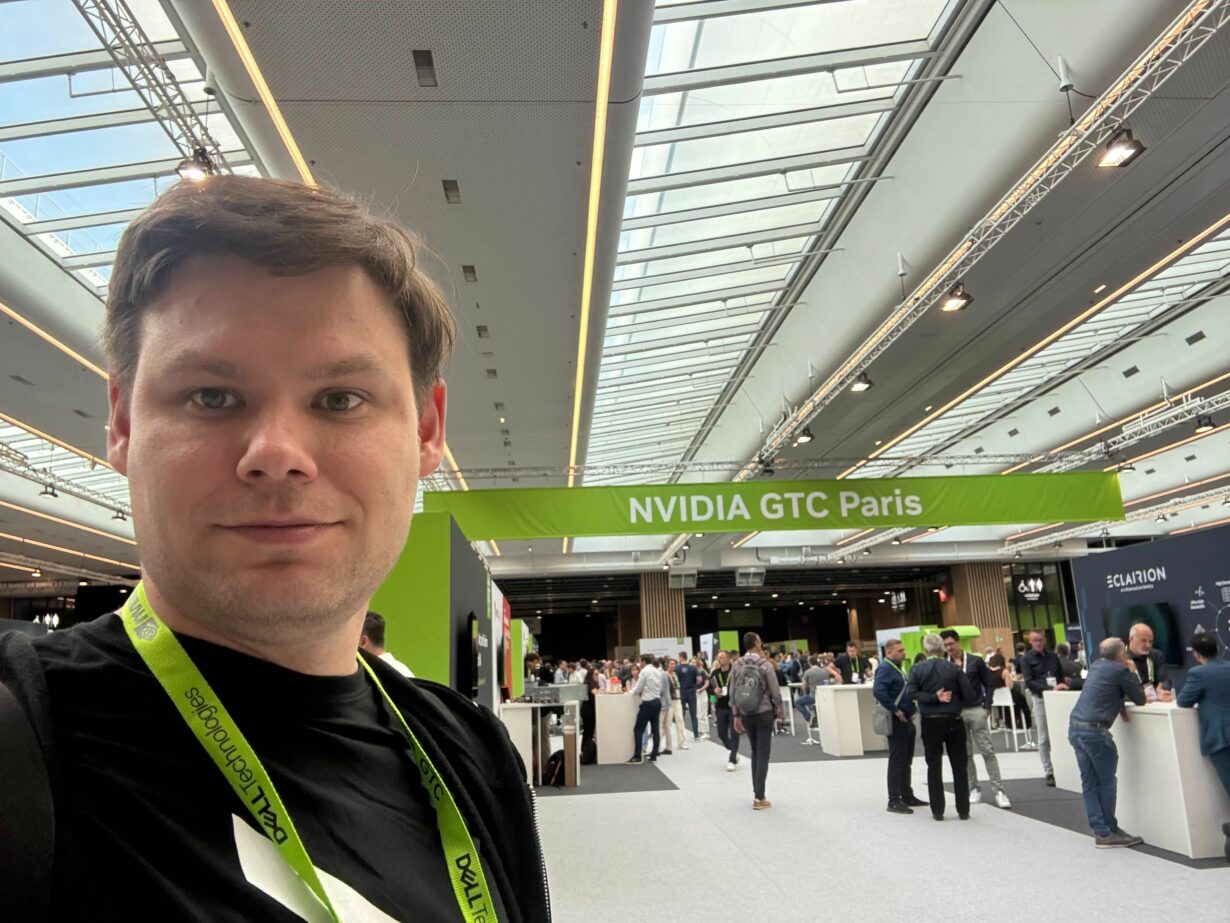
Piotr attended three of these sessions, and here are his insights.
- Learn to build agentic AI workflows for enterprise applications
This session, led by NVIDIA architects, explored how agent-based workflows can address real business problems. It covered everything from designing tools for agents to embedding them directly into existing enterprise systems.
The highlight? A hands-on deep dive into the AGENT Toolkit – showing how to deploy agents, assign them tools, and integrate them into live business processes without massive overhead. - How to build an agentic AI system using the best tools and frameworks
In this session (featuring NVIDIA’s Bartley Richardson), the focus shifted to the “how” behind building robust agentic systems. The presenters walked through the process of connecting AI agents to reusable tool libraries, enabling them to extract insights and automate decision-making.
A big takeaway was the role of LangChain and NVIDIA AI Enterprise as connective tissue, bridging LLMs with enterprise systems to accelerate real-world deployment. - Building and customizing AI models for European applications: from foundation to fine-tuning
This one zoomed in on the European context, and it was refreshingly grounded in reality.
Speakers from Hugging Face, BSC, EuroLLM, and NVIDIA addressed some of the continent’s most significant AI challenges, including regulatory hurdles, multilingual datasets, infrastructure limitations, and the importance of data sovereignty.
They also emphasized the push toward open models and domain-specific fine-tuning, showing how European companies can build AI that’s not just powerful, but also compliant, scalable, and locally relevant.
Networking stronger than ever
Besides the tech, Piotr had the chance to connect with professionals from across the industry, exchanging insights, ideas, and inspiration.
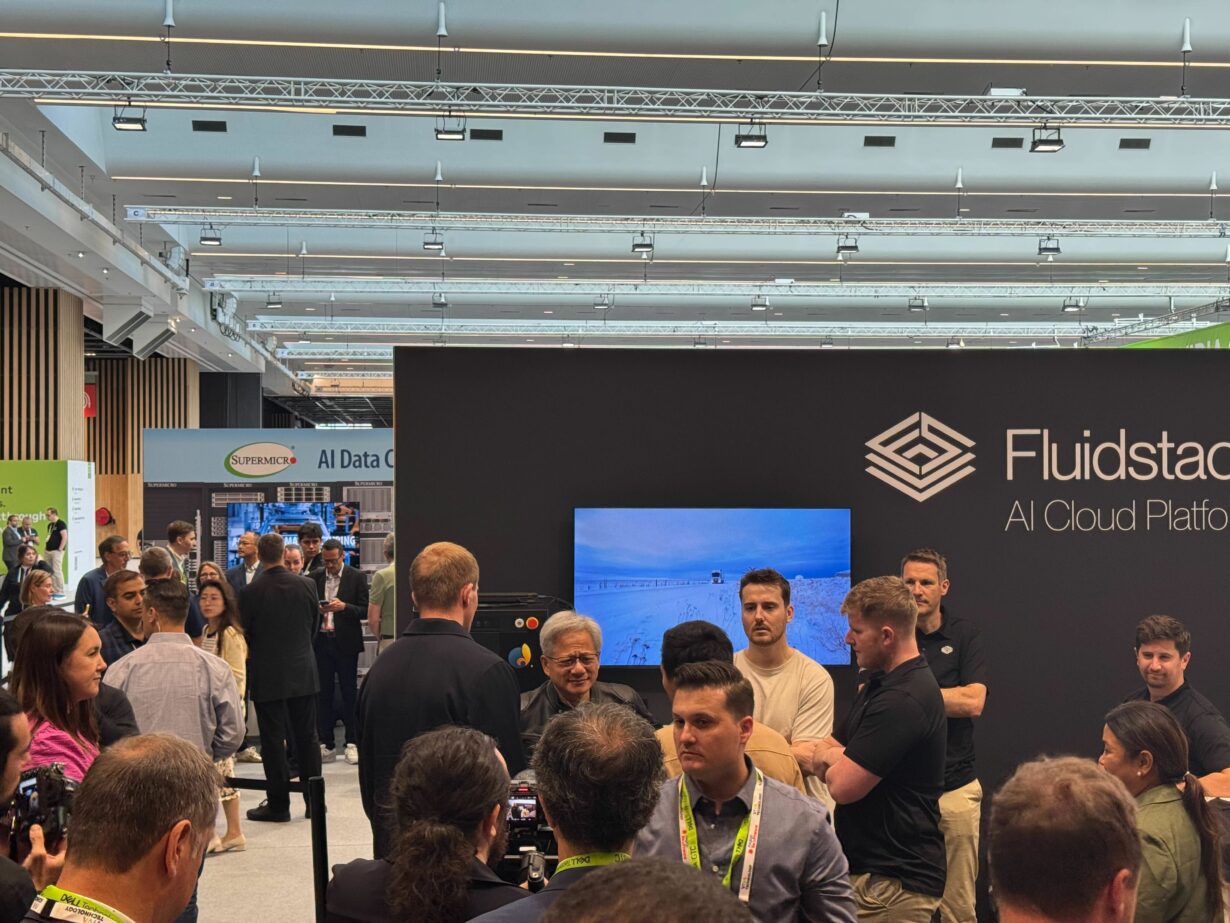
What stood out was the diversity of attendees. Developers, small engineering teams, CTOs, and strategic decision-makers – all in one room. Piotr spent more than a few moments trading ideas, sharing experiences, and simply enjoying some quality time with people who get it.
This broad spectrum, ranging from technical engineers to strategic buyers, underscores the significant impact AI is having across industries.
Why should the CTO even care?
If you’re leading a tech team, especially in data-heavy industries like fintech, healthtech, or logistics, agentic AI and RAG-based systems aren’t just the next hype cycle. They’re real accelerators for operational efficiency and knowledge flow.
Here’s what they bring to the table:
- Less context-switching – surface the right data at the right moment
- Smarter teams – put domain-specific knowledge right at their fingertips
- Faster AI adoption – without needing to reinvent your entire architecture
At Scalac, we’ve already started integrating agentic concepts into our client projects.
We’re exploring how RAG pipelines can turn scattered data into coherent, searchable knowledge systems – built on top of your stack, your documents, your tools.
But this isn’t a one-size-fits-all product. It’s a consulting-first approach tailored to your setup:
- Understand your architecture
- Map internal knowledge flows.
- Build lean, scalable AI pipelines.
- Fine-tune LLMs (or integrate open models) based on your infra and compliance needs
Curious what agentic AI could look like in your org?
Whether it’s a more innovative internal search engine, an AI assistant for ops, or a domain-specific copilot, we’d love to talk.
Let’s chat. Drop us a line!
Extra highlights and impressions
GTC Paris was not only about workshops and lectures – it also featured immersive demonstrations and emotions.
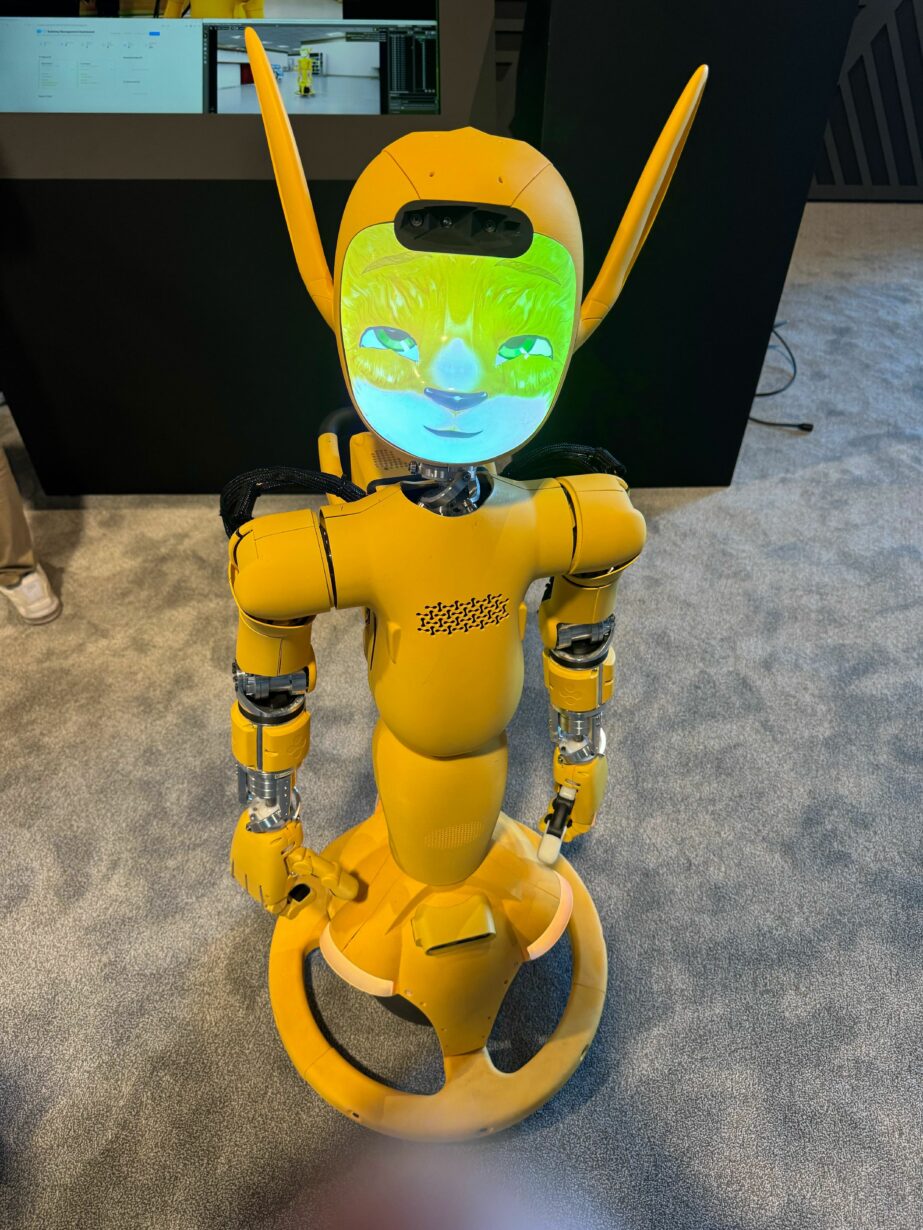
At the booths, attendees could interact with AI robots, including a humanoid robot that Piotr actually had the opportunity to “talk” with.
Also, not every day do you have the chance to take a picture with the one and only Jensen Huang, CEO of Nvidia himself. Check out this selfie on our LinkedIn!
Conclusion
GTC Paris covered a broad spectrum of topics, ranging from technical deep dives for R&D teams and AI architects to strategic discussions for product managers and executives.
Building agentic applications extends far beyond AI models; it requires an understanding of the full stack of infrastructure and tools, and GTC provided practical guidance on this front.
Overall, the trip was highly inspiring and productive – the connections made and knowledge gained will directly impact Scalac’s upcoming AI projects.
AI isn’t coming – it’s here.
And it’s becoming smarter, more modular, and more business-aware than ever before.
If you’re exploring how to bring generative AI into your organization without reinventing the wheel, let’s connect.
Explore Scalac’s AI solutions – we’d be happy to share insights on how AI can seamlessly integrate into your product or workflow.
Let’s build something extraordinary together!
What’s next for Scalac?
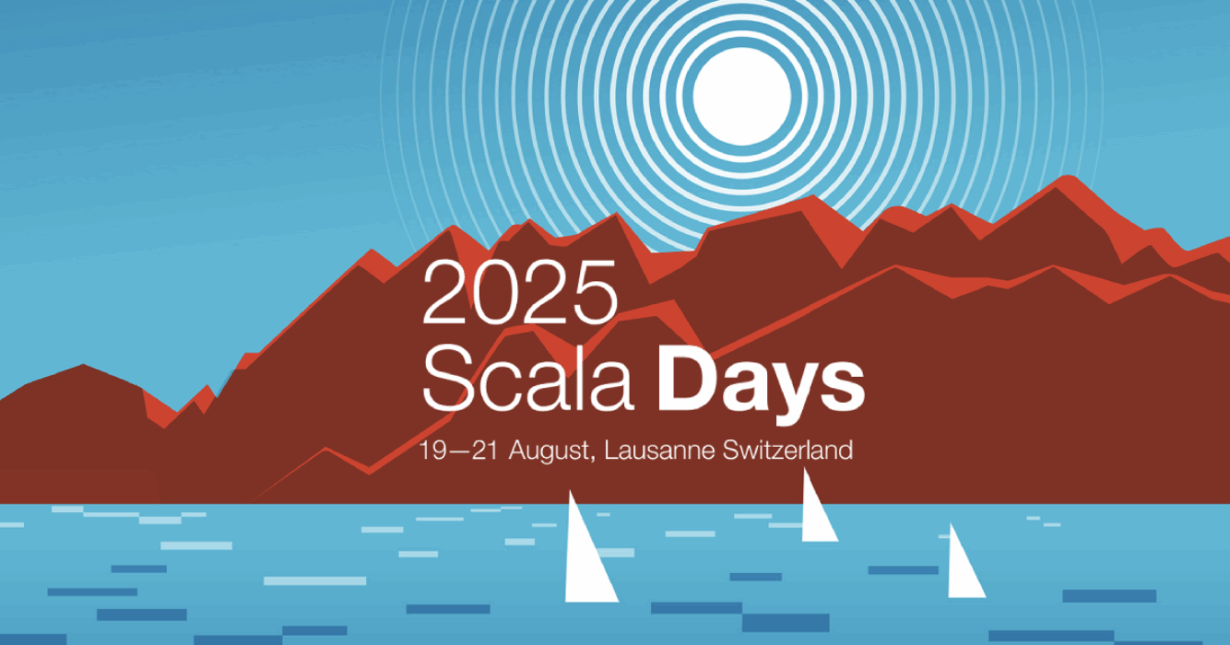
Next up, we’re heading to Scala Days 2025 in Lausanne this August – one of the most anticipated events in the functional programming world! As a company deeply rooted in Scala development, this conference presents a perfect opportunity for our team to explore the latest language innovations and connect with the global Scala community. Just like GTC Paris opened new doors in AI, Scala Days promises fresh perspectives on building robust, scalable systems. Stay tuned for our insights from Switzerland!