
Last month in AI – June 2025
AI-driven Newsletter
Hi there – and welcome to Last month in AI, your monthly digest of what’s new, exciting, and game-changing in the world of artificial intelligence.
This month brought another whirlwind of AI updates – from OpenAI’s o3-pro launch and ElevenLabs’ most expressive voice model yet, to Google’s compact but capable Gemma 3n.
On the hardware front, Nvidia and Intel stirred the scene with new GPU news.
Ready to catch up? Let’s get into it.
Scala Days Switzerland – reminder!

Time is running out, and Scala Days is just around the corner! Don’t wait until the last minute to buy your tickets.
Remember, we have a discount available for you.
Simply send an email to anton.galynya@scalac.io or connect with Anton on LinkedIn, and we’ll help you get it sorted!
Models
OpenAI o3-pro
OpenAI released a new version of their reasoning model, o3. Additionally, it reduces API prices on existing models by up to 80%.
Qwen3-Embedding-0.6B-GGUF
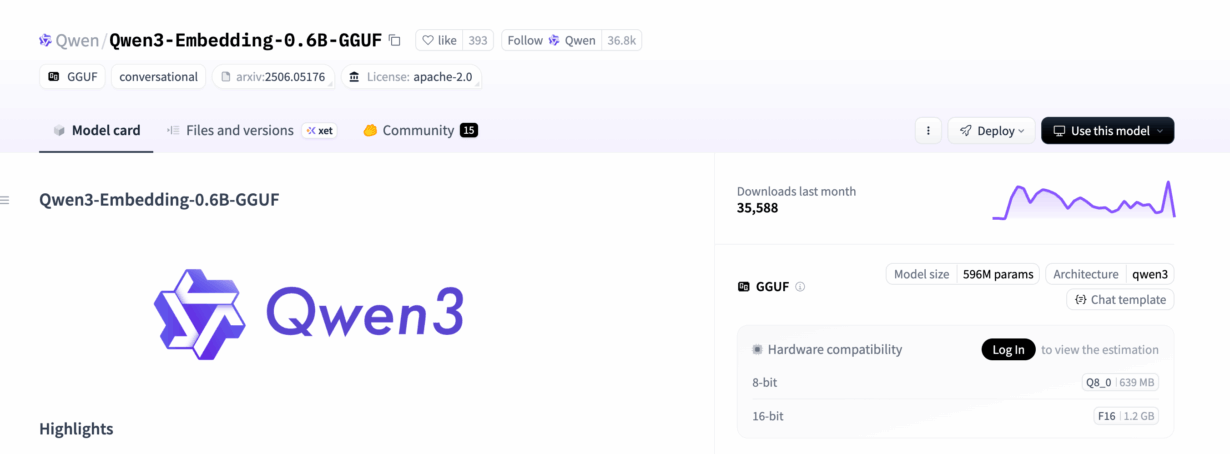
With numerous positive reviews about Qwen3 models, the Qwen team has released a new embedding model. Despite its size, it delivers state-of-the-art multilingual and code retrieval quality, ranking top in MTEB benchmarks
Gemma 3n

Google’s new Gemma 3n is a lightweight, multimodal model with up to 4B parameters, optimized to run on consumer hardware.
While it may not store extensive factual knowledge, it’s designed to utilise tools and search the web in real-time to fill in the gaps. Gemma 3n can handle text, images, audio, and video, making it a flexible and efficient model for edge AI applications.
Midjourney V1

Midjourney introduces its first-ever video model – V1.
Known for its stunning image generations, Midjourney now enters the video space with a model capable of producing dynamic, cinematic clips. It’s a big step toward AI-powered storytelling and creative expression in motion.
ElevenLabs V3
ElevenLabs launched Eleven v3 (alpha), their most expressive text-to-speech model to date, offering unprecedented control over speech with support for over 70 languages, multi-speaker dialogues, and audio tags such as [excited], [whispers], and [sighs]. This release introduces a new level of realism and nuance to speech generation, making it ideal for creative media, while the real-time version is still under development.
Hardware
Nvidia RTX 4090 48GB tested
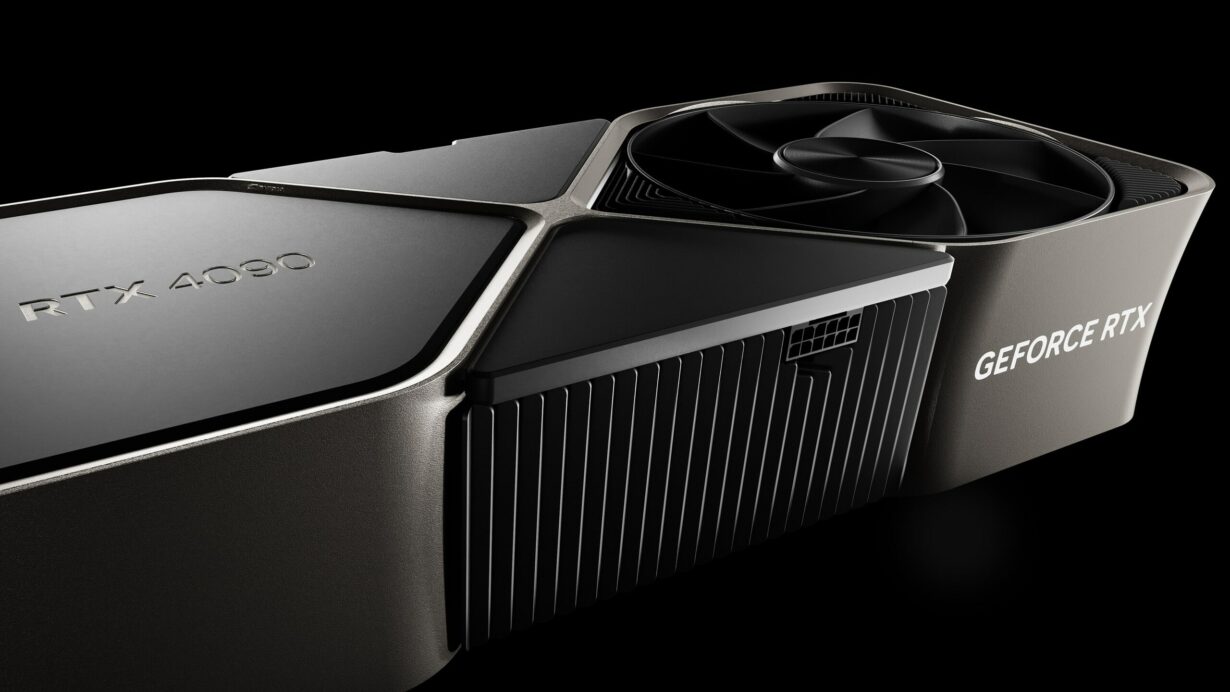
One of the most respectable computer hardware channels on YouTube managed to get their hands on the new RTX 4090 with 48GB of VRAM. Linus Tech Tips tested it and confirmed that it works :)
Intel 48GB cards pricing revealed

The Intel Arc Pro B60 Dual 48G Turbo Maxsun GPU was expected to cost around $1,000, but recent reports indicate a significantly higher price of about $5,000. This steep cost has disappointed the local LLM community, as it limits accessibility for many AI enthusiasts and developers.
Nvidia is planning RTX 5070Ti Super and TRX 5080 Super with 24GB of VRAM

Nvidia is planning to release the GeForce RTX 5070 Ti Super and RTX 5080 Super, both featuring 24GB of GDDR7 VRAM, addressing concerns over the 16GB limit in the current RTX 5080. This increase in VRAM should benefit heavy workloads and AI tasks, hopefully at a more reasonable price. Still, the RTX 3090 remains a strong value option on the used market.
Other
Gemini CLI
Google has released Gemini CLI, a free and open-source command-line AI assistant powered by Gemini 2.5 Pro and offering an impressive 1 million-token context window. It lets developers write code, debug, automate tasks, generate content, and even fetch real-time web data or multimedia, all directly from their terminal, with up to 60 model requests per minute and 1,000 per day.
Nvidia GTC Paris 2025
Been there, done that! NVIDIA’s GTC Paris 2025 was packed with AI, edge computing, and exciting hardware updates. Check out our quick summary and key takeaways from the event.
Anthropic Wins Key Ruling in AI Authors Copyright Lawsuit
On June 24, 2025, a watershed moment for the AI industry was marked when Federal Judge William Alsup in San Francisco ruled that Anthropic’s use of books without permission to train its Claude AI system was legal under U.S. copyright law. This is the first significant fair use ruling in the context of generative AI, setting a crucial precedent for the entire industry.
Meta’s Bet on Scale: The New AI Data Paradigm

Meta made one of the largest AI investments of 2025, with a $14.3-15 billion investment in Scale AI, effectively acquiring Scale’s CEO, Alexandr Wang, to lead Meta’s new “Superintelligence” lab. The investment gives Meta a 49% stake in Scale AI, representing a fundamental shift in its AI strategy.
Meta hires AI researchers

Mark Zuckerberg has unveiled Meta’s new Superintelligence Labs, consolidating its AI teams under one umbrella led by Alexandr Wang (former Scale AI CEO) and Nat Friedman. The company has aggressively recruited top researchers from OpenAI, Anthropic and Google, bringing on board nearly two dozen experts, including key figures from OpenAI’s Zurich office, to accelerate its advanced model efforts.
AI is no longer a future trend – it’s a present reality.
It’s faster, more flexible, and ready to solve real business problems.
At Scalac, we help companies integrate AI into their products and workflows without starting from scratch.
Let’s talk about how we can make it work for you. -> Explore Scalac’s AI solutions
Summary
That’s all for this month’s edition of Last month in AI.
June delivered on every front: new models, powerful tools, industry shakeups, and even some legal clarity. We hope you found something to fuel your curiosity!
Stay tuned for July’s edition – and in the meantime, check out our blog for deep dives, dev insights, and more AI content.
Until next time, keep exploring and keep building!
Want to learn more?
Explore our blog for detailed guides, technical tutorials and much more!
- Rust vs Scala: a technical developer’s perspective
- Scalendar July
- Agentic AI, Paris vibes and what we learned at NVIDIA GTC Paris 2025
Also, don’t forget to join Scalac’s Talent Pool!
Check more here https://scalac.io/blog/scala-rust-devops-frontend-careers/


Authors

An AI expert and Scala developer at Scalac, providing ongoing analysis of key developments in artificial intelligence. Scalac's go-to specialist for AI trends and applications. His work bridges the gap between AI research and practical business implementation, making him a trusted voice not only among all the blog posts here, but in the AI community in general. Also, a proud owner of a Czechoslovakian Wolfdog, one of the closest-to-wolf dog breeds that you can legally own.