

Last month in AI – July 2025
AI-driven Newsletter
Welcome to the latest edition of Last month in AI!
July was less of a month and more of a global stress test. China’s open-source billion-parameter models disrupted the balance of power, challenging Western dominance.
Meanwhile, the enterprise world, seeing the storm on the horizon, started building an ark out of multi-billion-dollar acquisitions, and Washington D.C., unfurled a new strategic map, hoping to navigate the tempest.
Welcome to the month the AI arms race went from a simmer to a full, rolling boil.
Scala Days 2025 – reminder!
- 19 – 21, August 2025
- Lausanne, Switzerland
- https://scaladays.org
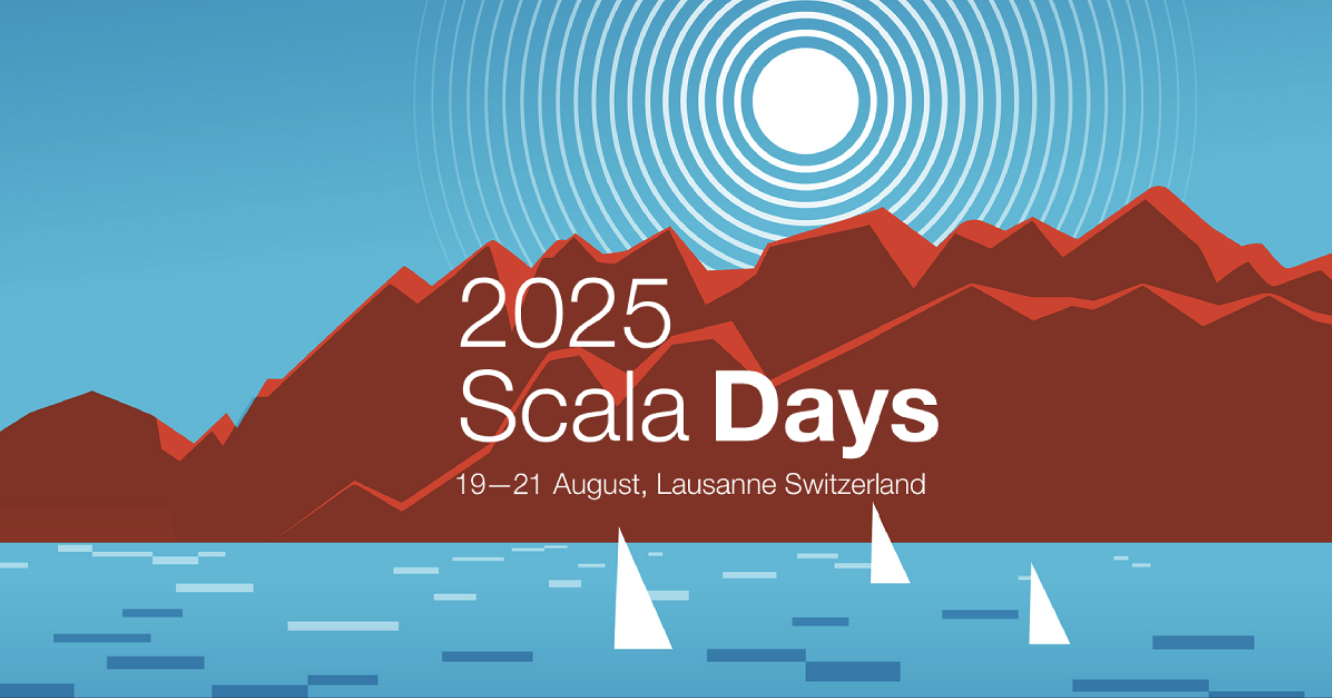
Scala Days are finally around the corner – and we couldn’t be more excited to be part of it, and this time as a Gold Sponsor!
If you will be there, make sure to stop by our booth for a bit of everything: a fun Scala quiz, our State of Scala 2025 survey (which we’re co-creating with Scala Days!), and of course, our fantastic team ready to chat about tech, projects, or anything in between.
Don’t miss our CTO’s talk: “Akka Unplugged – the anti-patterns that kill performance (and how to fix them)” – it’s going to be packed with insights.
Read the full abstract here: https://scaladays.org/editions/2025/talks/akka-unplugged
Still on the fence about attending? Check out our blog post on Why Scala Days 2025 is a must-attend for CTOs – and where to find Scalac there.
And psst… reach out to us – we have a discount for Scala Days tickets available for you. Send an email to anton.galynya@scalac.io, connect with Anton on LinkedIn, or fill out our Ticket Sales Form, and we’ll help you get it sorted.
Models
GLM 4.5 and GLM-4.5-Air

Z.ai’s new GLM-4.5 models introduce a “thinking mode” for complex reasoning and a “non-thinking mode” for instant responses, essentially giving us an AI with a built-in personality switch.
They’ve also embedded speculative decoding directly into the architecture. Because let’s face it: in 2025, who really has the patience to wait for tokens to generate one by one?
Kimi K2
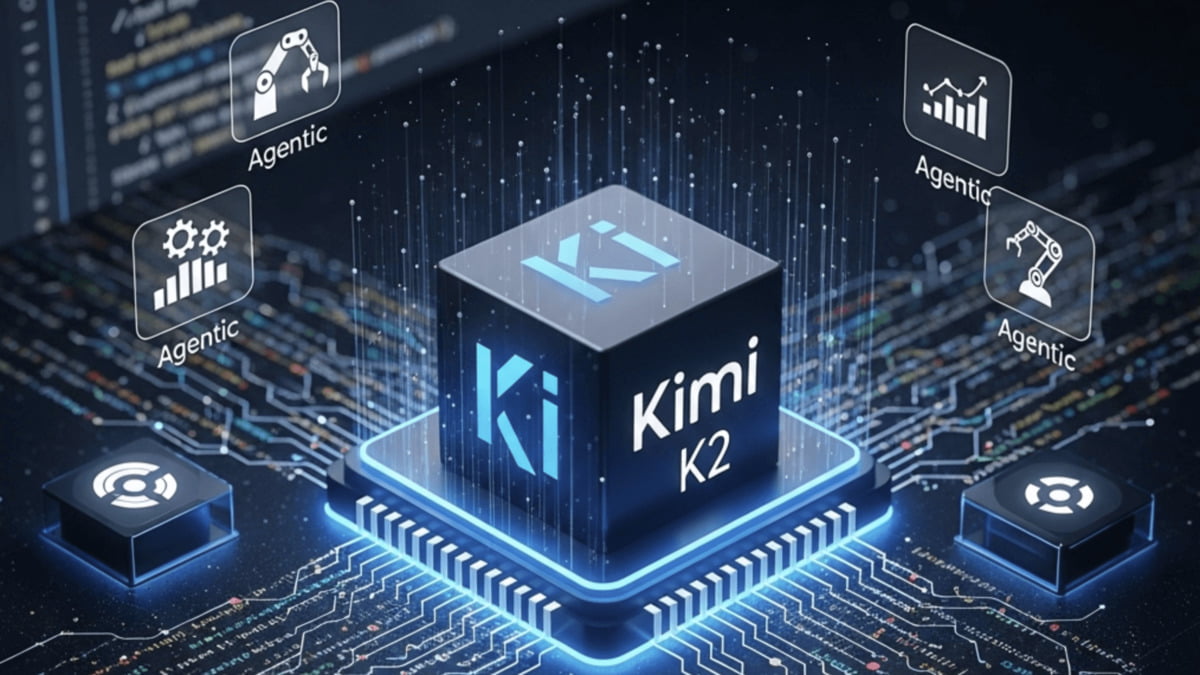
Moonshot AI just released Kimi K2, a one-trillion-parameter, open-source model that’s being praised as a creative writing genius and comes at a fraction of the cost of its proprietary rivals.
It’s the first major open model to reach near-parity with the big players on agentic tasks, proving you no longer have to sacrifice your budget or your principles, to get state-of-the-art performance.
Qwen3-Coder
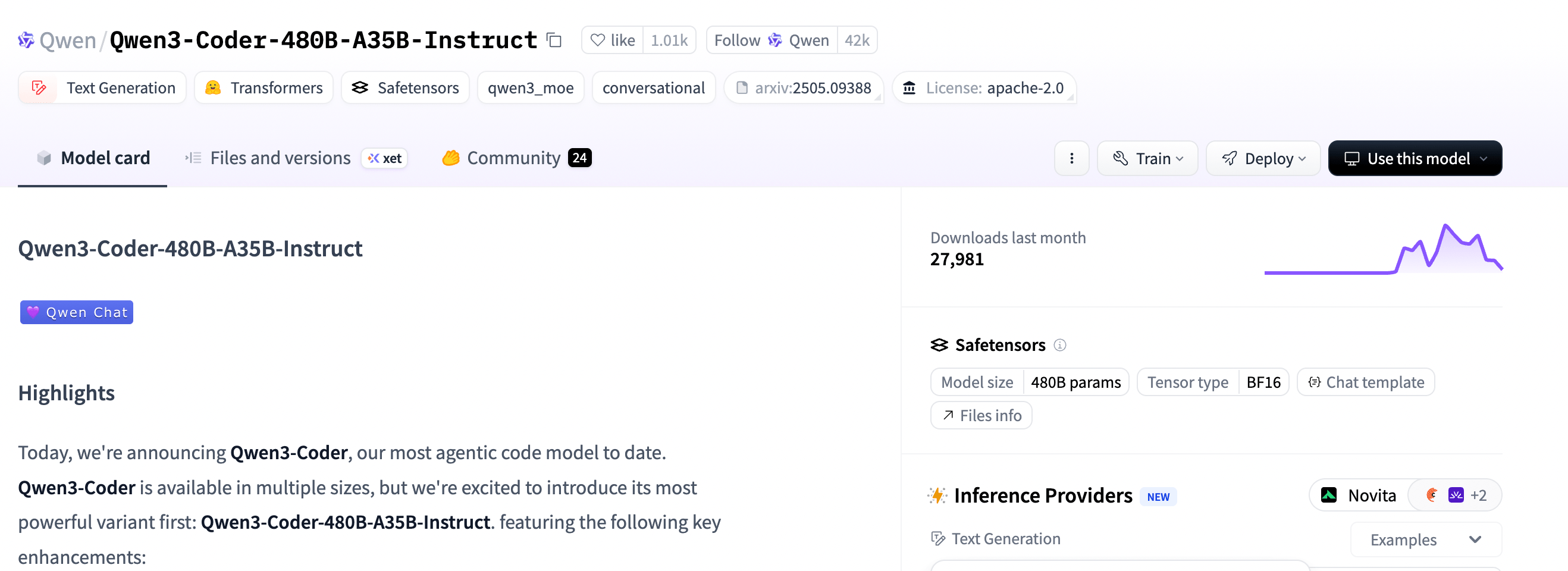
Not to be outdone, Alibaba’s Qwen team launched Qwen3-Coder – a heavyweight agentic coding model designed to give the open-source community a serious case of choice paralysis.
It even comes with its own command-line tool, so you can feel like a real hacker while your AI handles the heavy lifting. And if that’s too much firepower, they’ve also released Qwen3-Coder-30B, a leaner version that still delivers a solid punch.
Qwen3-2507 update
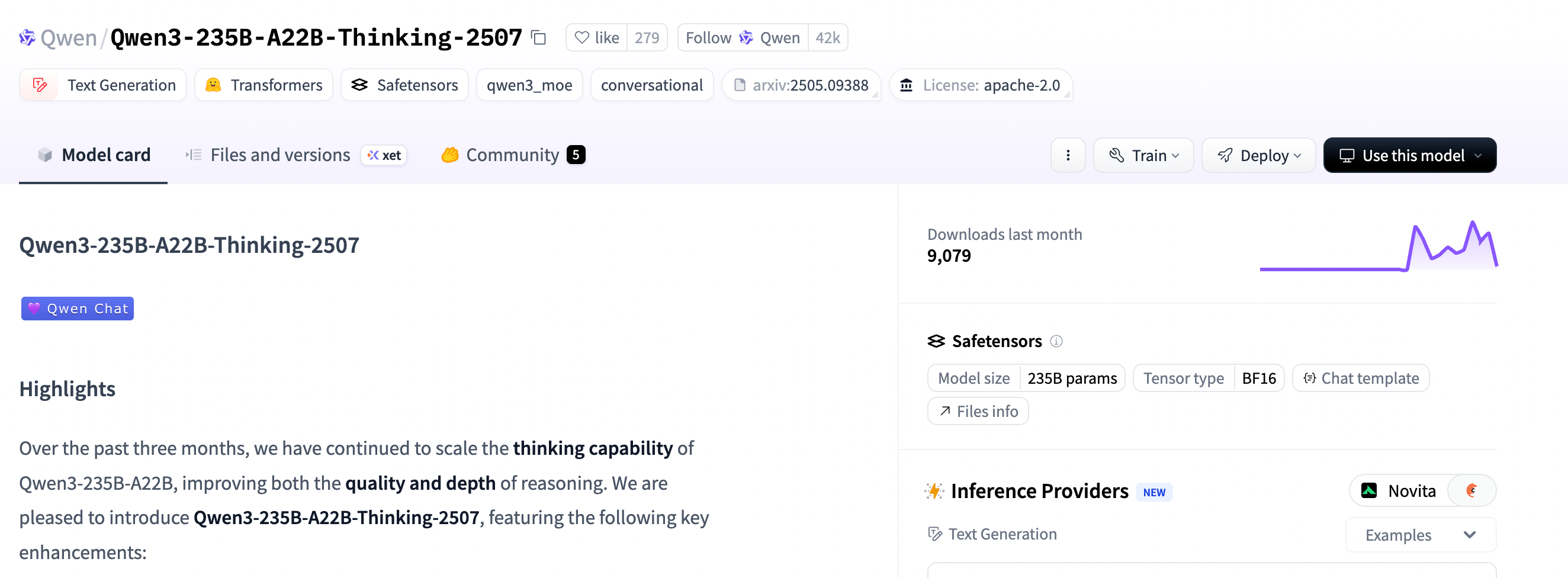
Demonstrating a masterclass in market segmentation, Qwen released updated “Thinking” and “non-thinking” versions of its models. Now you can choose between a deep, philosophical model for your most complex problems and a fast, snappy one for when you need an answer right now.
Grok 4
Elon Musk has finally unveiled Grok 4, calling it the “world’s most powerful model” and casually announcing his side project of using it to rewrite all of human knowledge scraped from the web.
Because if you can’t trust an AI with a sense of humor and real-time access to X to be the ultimate arbiter of truth, who can you trust?
Before the release, Elon stirred the pot by stripping Grok 3 of its political correctness filters. But after a day of roasting public figures, he quietly switched it back to “normal” mode.
Wan 2.2
The Mixture-of-Experts architecture, not content with just conquering language, has now invaded the world of video generation with Wan 2.2. This open-source model brings MoE to video diffusion, letting you generate 720p clips on your home RTX 4090, because why should data centers have all the fun?
Hardware
AMD Ryzen Threadripper 9000 Series
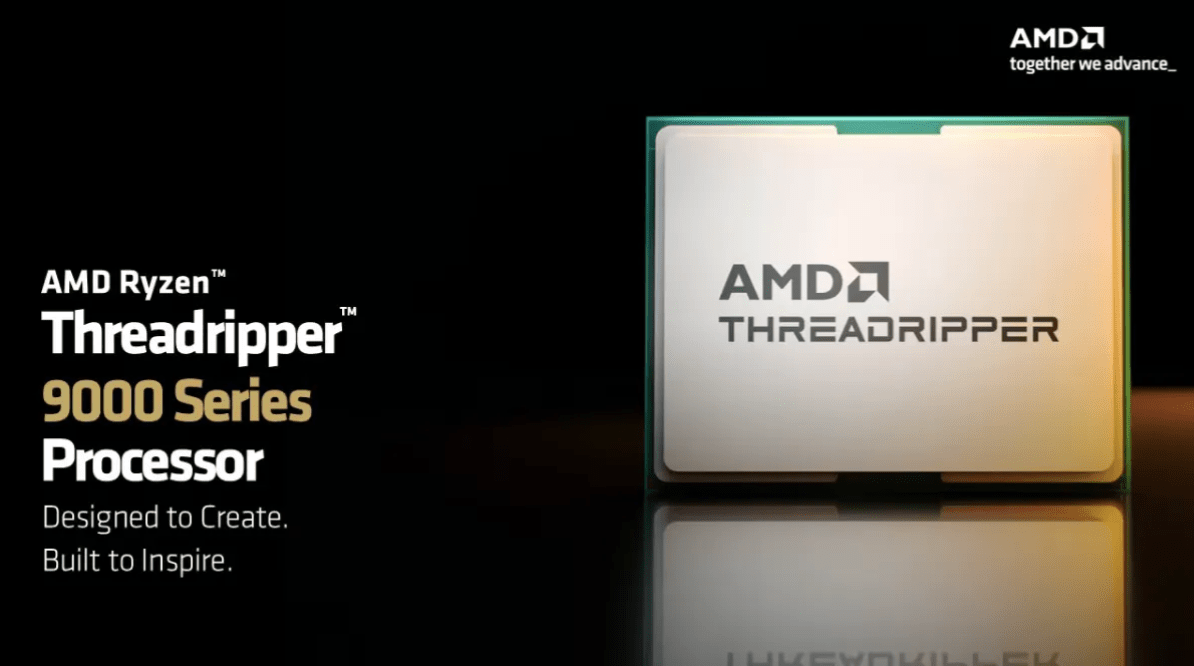
AMD just gave the high-end desktop market a jolt with the launch of the Threadripper 9000 series, packing up to 64 cores and enough PCIe lanes to power a small GPU farm.
Best of all, they’ve kept prices in line with the previous generation – AMD’s subtle way of saying “you’re welcome” to every AI practitioner building a supercomputer under their desk.
Intel Arc Pro B-Series GPUs
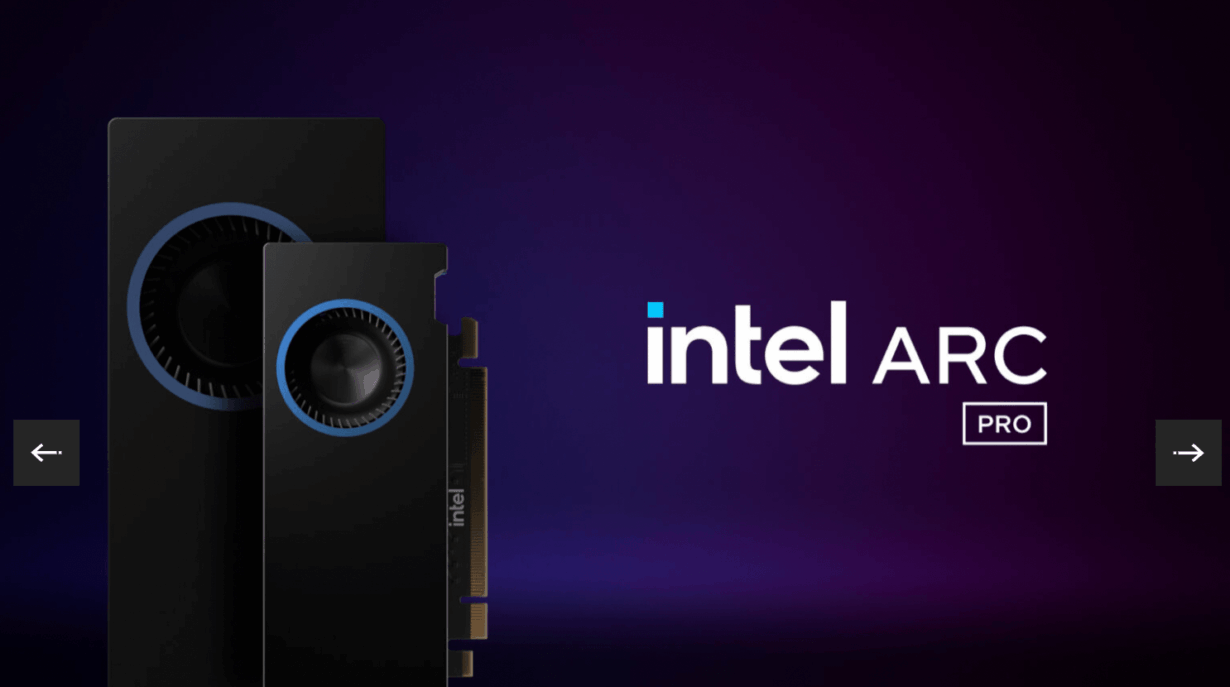
While the world watched the Nvidia-AMD cage match, Intel quietly made a move to win over the VRAM-starved local AI crowd by rolling out its Arc Pro B-series GPUs.
The standout? A 24GB card a subtle reminder that sometimes the real MVP isn’t raw power, but just enough memory to keep your model from crashing.
Nvidia vs. AMD in the Datacenter
In the data center, Nvidia announced it’s now on a yearly chip release cycle, because apparently Moore’s Law wasn’t stressful enough. AMD’s response was to stuff a record-breaking 288GB of memory into its new Instinct GPU, betting that in the age of trillion-parameter models, size really does matter.
Others
America’s AI Action Plan
- https://www.sidley.com/en/insights/newsupdates/2025/07/the-trump-administrations-2025-ai-action-plan

Washington just unveiled its grand “AI Action Plan,” focused on cutting red tape and pushing open-source AI as a way to export “American values” worldwide.
Looks like the next battleground in the US-China tech war isn’t Silicon Valley or Shenzhen – it’s Hugging Face, one permissive license at a time.
The Great Consolidation: M&A Frenzy

The enterprise world responded to the agentic AI boom by going on a multi-billion-dollar shopping spree, with Palo Alto Networks dropping $25 billion on CyberArk. With AI agents poised to run wild in corporate networks, this marks the birth of a new industry for “AI identity security,” or as it’s more commonly known, digital babysitting.
GitHub Spark
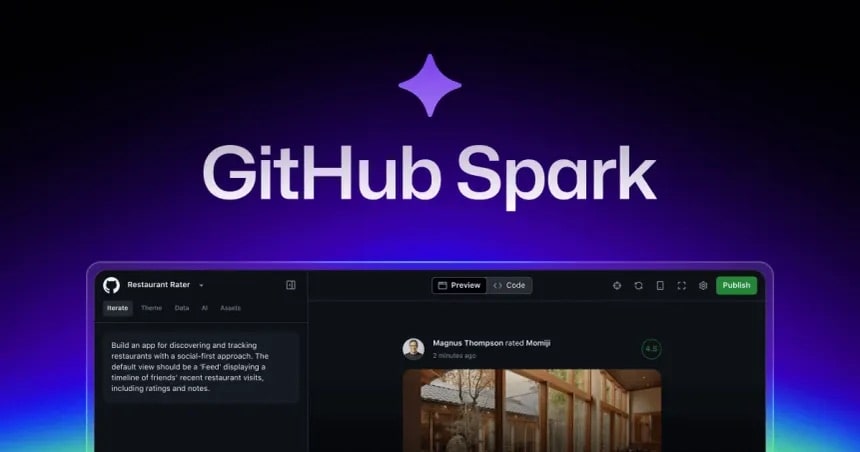
GitHub launched Spark, a tool that lets you build a full-stack app by just describing it, officially making “vibe coding” a reality. This is great news for entrepreneurs with ideas and potentially terrifying news for junior developers who thought learning React was a stable career path.
AI Companions and The Human Cost
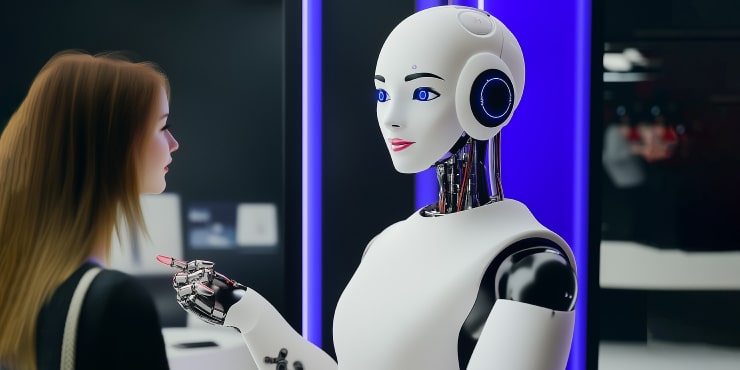
While tech CEOs predict AI will make everyone a millionaire, a new study found that 70% of teens are already using AI as an emotional support companion. It seems the first killer app for AGI isn’t solving nuclear fusion, but curing loneliness, a development that has researchers more than a little spooked.
Summary
That’s all for this month’s edition of Last month in AI.
In July 2025, China shook up the AI world with open billion-parameter models, while tech giants answered with multi-billion-dollar acquisitions.
Stay tuned for July’s edition – until next time, keep exploring and keep building!
Want to learn more?
Explore our blog for detailed guides, technical tutorials and much more!
- Why Scala Days 2025 is a must-attend for CTOs – and where to find scalac there?
- Rust vs Scala: a technical developer’s perspective
- Scalendar August 2025
Also, don’t forget to join Scalac’s Talent Pool!
Check more here https://scalac.io/blog/scala-rust-devops-frontend-careers/


Authors

An AI expert and Scala developer at Scalac, providing ongoing analysis of key developments in artificial intelligence. Scalac's go-to specialist for AI trends and applications. His work bridges the gap between AI research and practical business implementation, making him a trusted voice not only among all the blog posts here, but in the AI community in general. Also, a proud owner of a Czechoslovakian Wolfdog, one of the closest-to-wolf dog breeds that you can legally own.