
Scala Days 2025 Recap – a Scala community reunion
Imagine Lausanne brimming with Scala energy – streets filled with developers, CTOs, and tech leaders buzzing with anticipation. Scala Days Switzerland 2025 felt like a glimpse into the future of Scala, where experimentation meets opportunities waiting to be embraced.
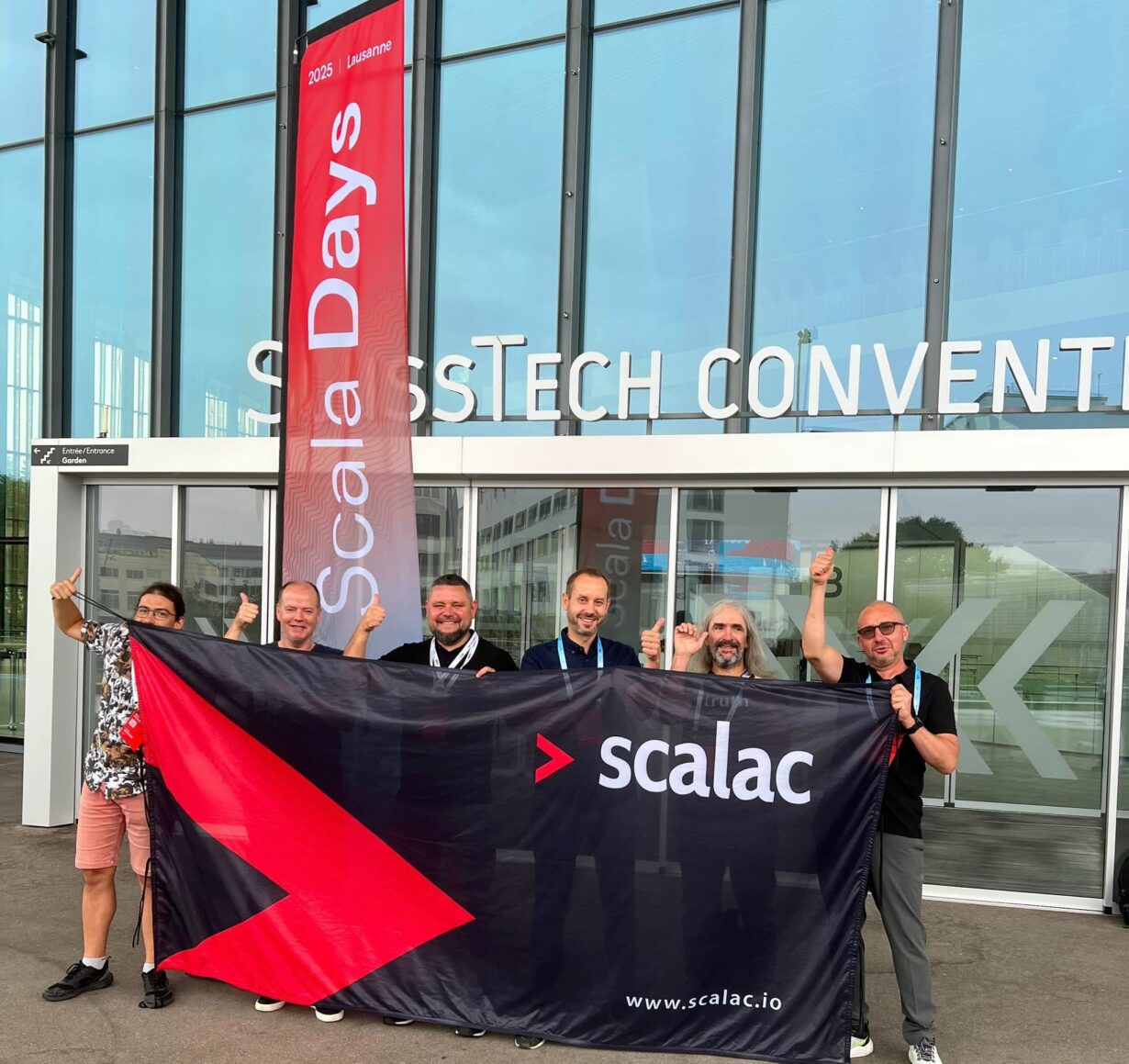
For three days, over 300 developers, architects, and Scala enthusiasts from across the globe came together to share insights, tackle challenges, and, of course, enjoy the Lake Geneva and mountain views in between coding conversations.
AI and Scala 3 stealing the spotlight
Two significant trends dominated hallway conversations and sessions – Artificial Intelligence and the continued evolution of Scala 3.
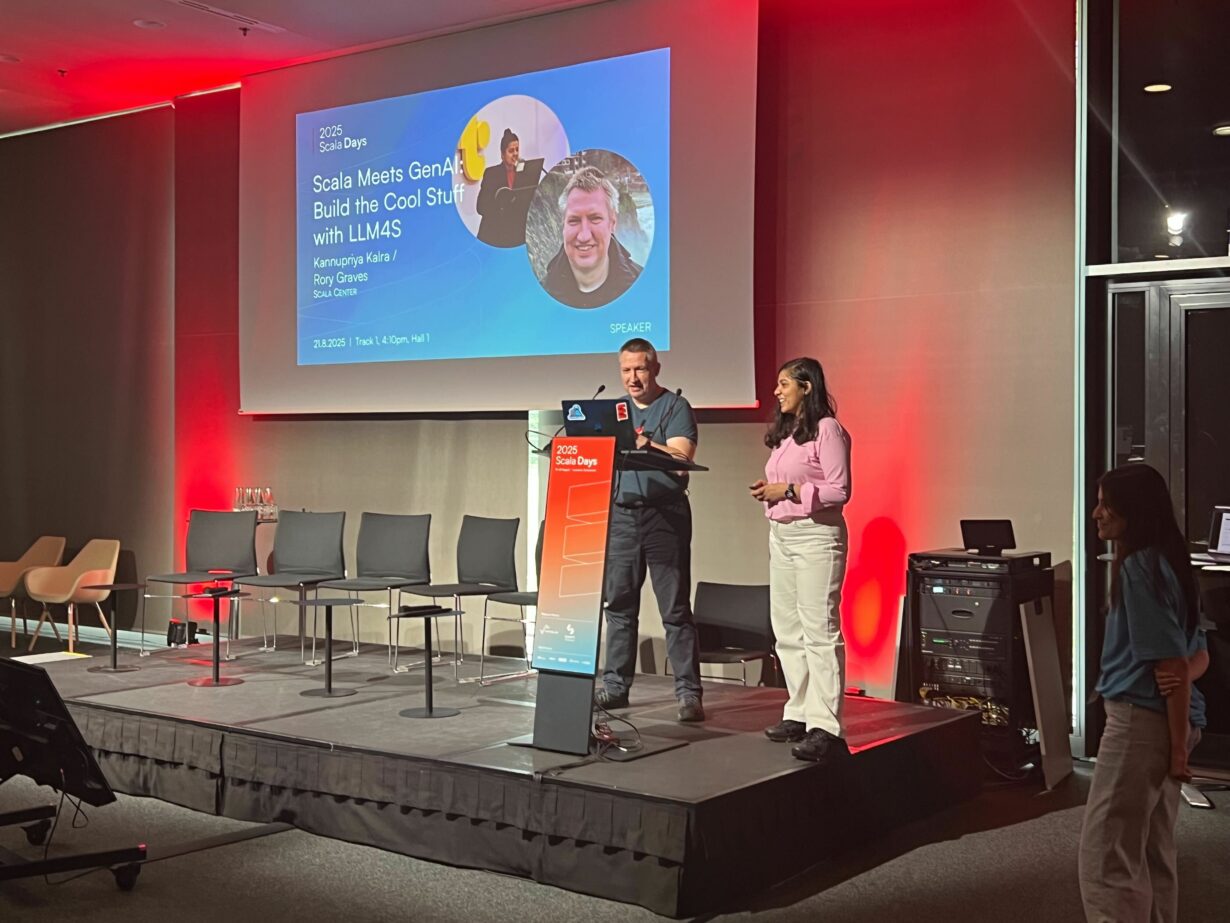
LLMs and GenAI: Scala Days 2025 made it clear that Scala is fully embracing the AI wave. Live demos had the audience buzzing, as the speakers showed Scala code prompting GPT-style models, performing document search, and even writing code using AI.
The takeaway was inspiring – you can indeed build powerful, production-ready GenAI apps in Scala using familiar functional programming principles. AI-themed talks reinforced this trend.
For CTOs evaluating technology for AI projects, the message was clear – Scala is AI-ready. Its robust concurrency and type safety make it a reliable choice for AI backends that need to scale and stay correct.

Scala 3 took center stage: The community’s focus on Scala 3 was palpable – multiple sessions dived into new language features and best practices in Scala 3:
- Martin Odersky’s Vision: The creator of Scala was on hand to champion Scala 3’s direction. His presence and insights set a high-level tone, reinforcing that Scala 3’s evolution is backed by strong vision and leadership.
- Daniel Ciocîrlan – “A New Scala Ethos”, his talk reminded teams to embrace Scala’s functional, expressive ethos as they migrate.
- Jamie Thompson – “Effective Match Types”, Jamie dived into one of Scala 3’s powerful new features – match types – demonstrating a practical look at solving problems with Scala 3’s advanced type system.
- Magda Stożek – Goodbye Implicits, Hello Contextual Abstractions. For teams wary of Scala’s learning curve, this was a welcome show of Scala 3’s improved developer experience.
The community is actively turning the old “Scala is complex” narrative into an opportunity – an opportunity to make Scala mainstream by doubling down on simplicity and developer productivity.
Why move to Scala 3 now?
With streamlined syntax, stronger type safety, and new metaprogramming capabilities, Scala 3 lays the groundwork for more resilient, future-proof codebases. Yet, adoption has been cautious so far – only about 30-40% of companies have started migrating from Scala 2.
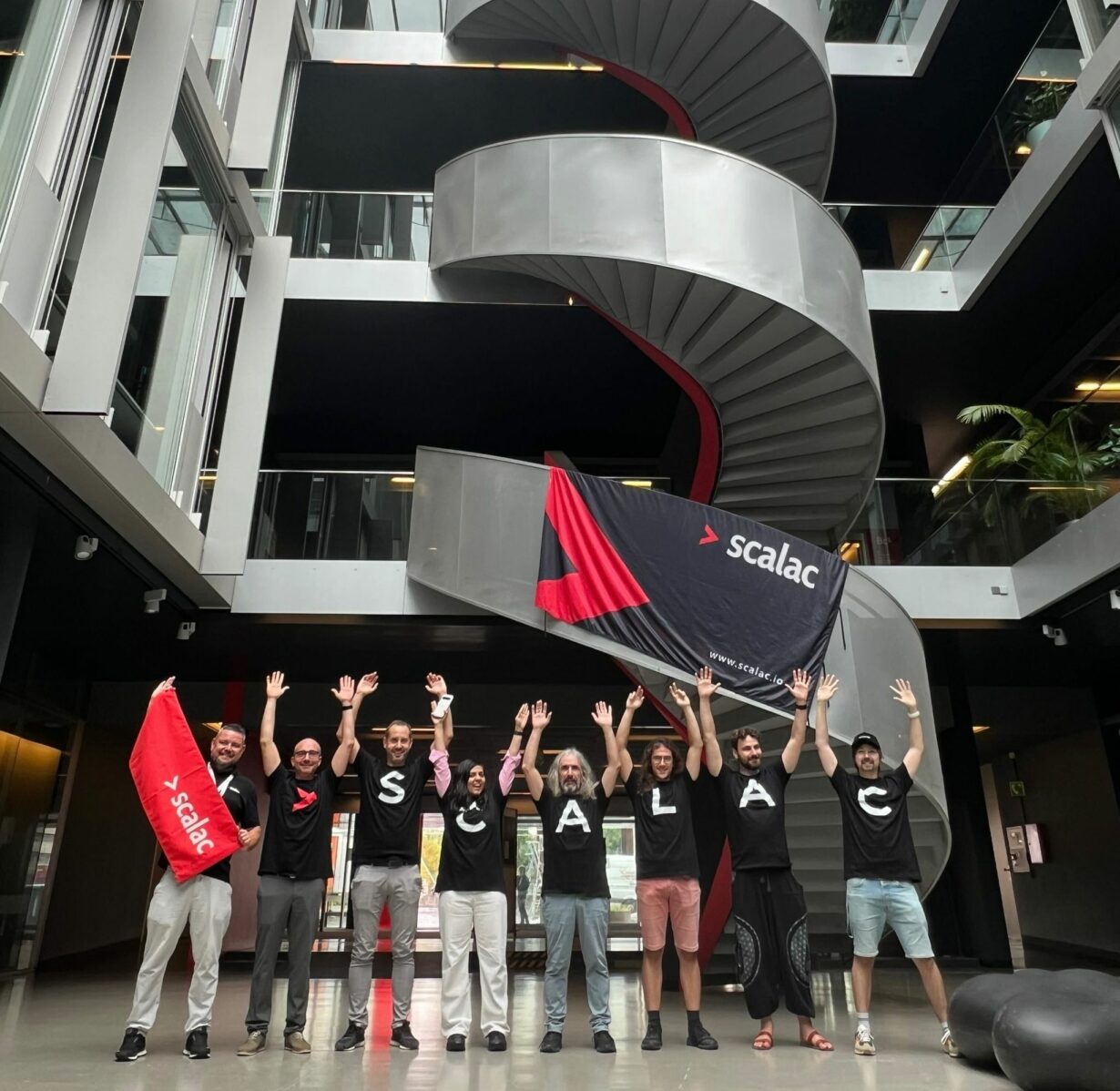
Think of it like a marathon: many teams are still lacing up their shoes, while early adopters are already sprinting ahead. Embracing Scala 3 early can set a technology benchmark for the next decade and make your company a magnet for top Scala talent.
As Scalac’s CTO, Lukasz Marchewka, put it, “Scala 3 isn’t just improved syntax – it simplifies code, makes it more (type) safe and introduces a lot of new possibilities. And it is a good foundation for scalable and maintainable systems.”
Check here how Scalac can help you!
Akka Unplugged: Scalac’s CTO Lukasz Marchewka’s high -performance Akka insights
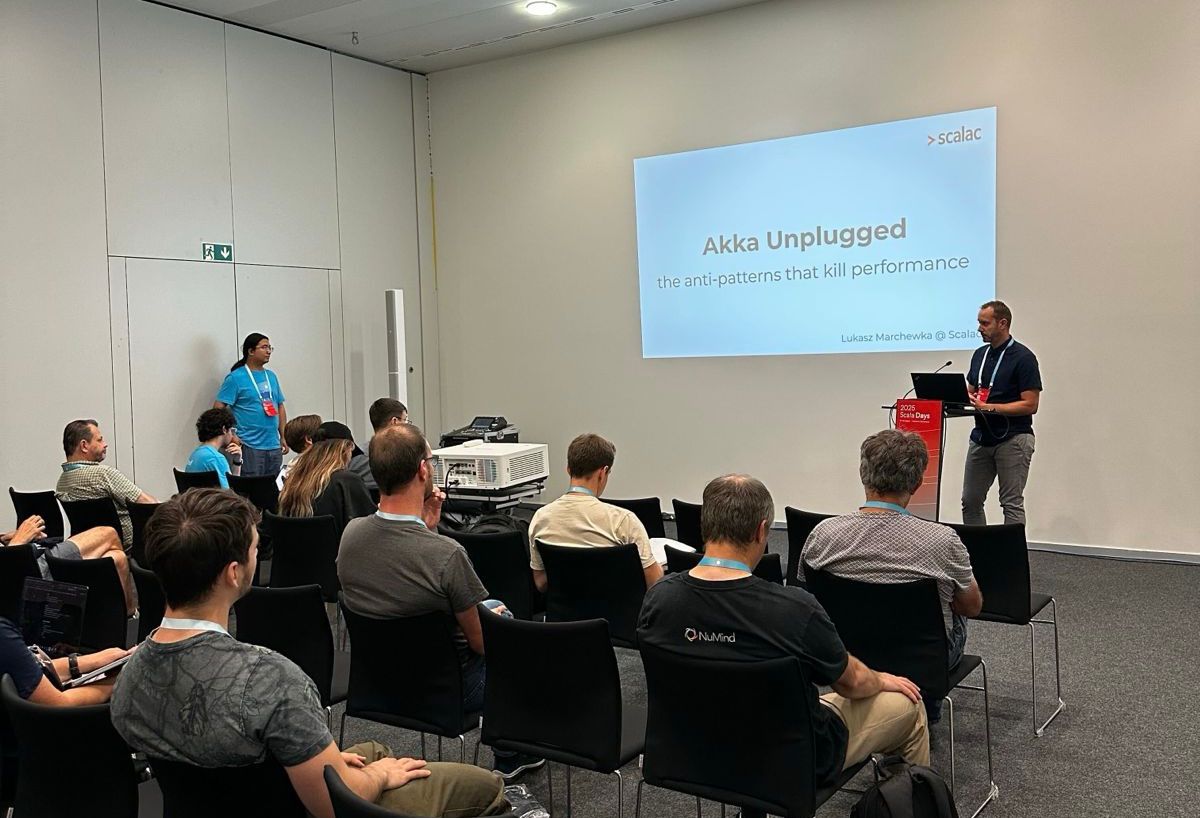
Lukasz’s presentation, “Akka Unplugged – the anti-patterns that kill performance (and how to fix them)”, drew one of the largest audiences in the Industry track. His talk addressed a critical challenge facing many Scala teams: how Akka’s flexibility can become a double-edged sword.
“Akka is simultaneously one of Scala’s most powerful and most misunderstood technologies,” Lukasz explained during his session. “Its flexibility enables developers to solve hard problems easily while also tempting them to build overcomplicated architectures.”
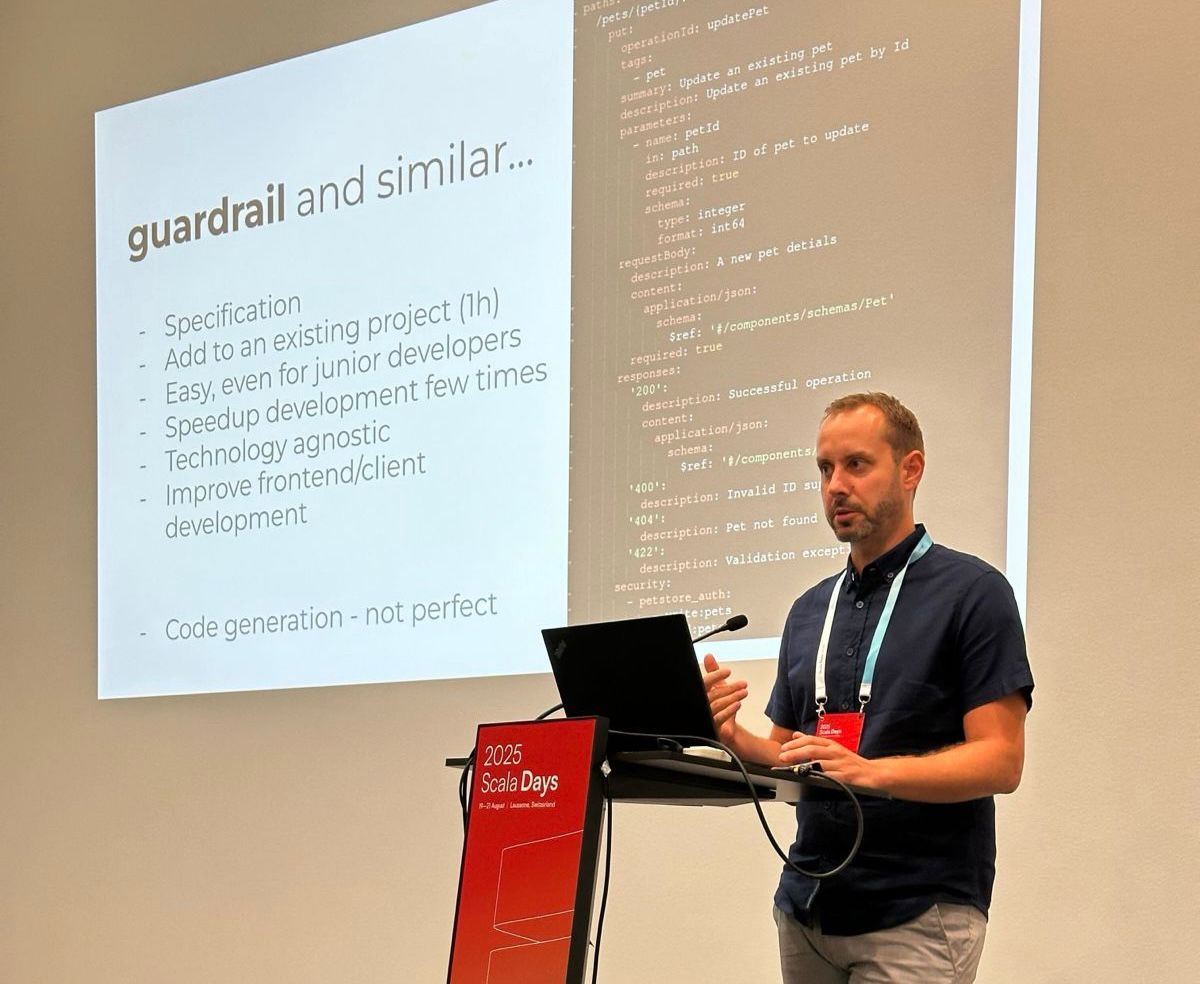
Key insights from Lukasz’s presentation included:
- Akka Persistence is a very powerful lib, it changes the architecture of your system, but it should be used almost always with Akka Projection
- Actors solve concurrent problems and help you model real interaction in your solution, but many teams fall into the same traps.
- How to use Akka HTTP not using it to improve the performance of your team.
The Scala community clearly sees Akka as a competitive advantage. Many teams reported achieving significant performance improvements – faster development cycles, reduced memory consumption, and eliminated system crashes – simply by applying the anti-pattern fixes Lukasz demonstrated.
For tech leads, the advice was clear: invest in Akka expertise and avoid the common anti-patterns that can hurt performance. The payoff is robust, scalable systems that are ready for future demands.
Beyond code – the Scala community experience
One thing every attendee felt at Scala Days 2025 was the community vibe. The event struck a balance between content and an open, enjoyable atmosphere. Workshops tackled complex Scala concepts, yet hallway conversations were welcoming and often accompanied by jokes and geek-talk.
Scala Days isn’t the kind of place where speakers disappear after their talks – here, Scala luminaries were mingling with newcomers. You could see Martin Odersky getting quizzed at the Scalac booth one moment and bump into a startup founder or catch up with a Scala library author in the next coffee line.
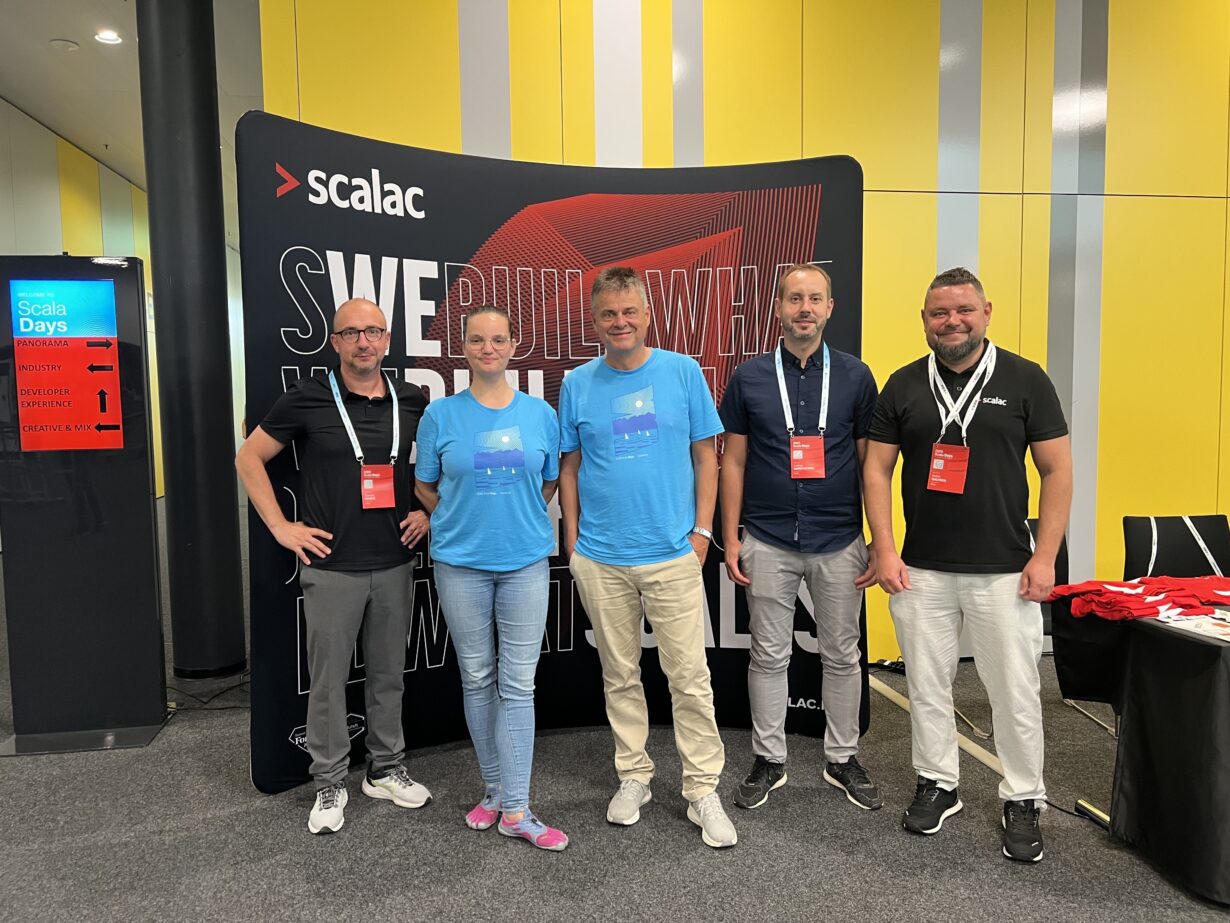
Notably, around 20% of attendees were new to Scala – a surprisingly high number that underscores Scala’s growing appeal to fresh talent. Rather than feeling like outsiders, these newcomers were embraced by the community. Seasoned developers and Scala maintainers were happy to share knowledge, advice, and stories, making the networking environment extremely open and productive.
The Scala community remains one of the strongest and friendliest in tech, and it’s a big reason companies can trust Scala for the long run. A stable, beautiful language is essential, but the passionate community behind it is what truly future-proofs Scala adoption.
Key takeaways for tech leads
Scala Days 2025 drove home several lessons for technical leaders and Scala enthusiasts alike:
- Scala 3 is ready to take off. Early adopters will shape Scala 3’s future – those who move now gain a strategic advantage while laggards risk playing catch-up.
- AI + Scala = New Possibilities. With strong type safety and concurrency, Scala might give you more reliable AI systems in production than the typical dynamic-language approach.
- The Scala community is alive, bold, and creative. From frontend experiments to AI adoption, Scala’s ecosystem keeps evolving.
For Scalac, Scala Days is about forging connections and turning community insights into a strategic advantage. Smart tech leads will take these lessons and ask: How can we apply them now?
Looking ahead – the State of Scala report
Scala Days 2025 left everyone excited about the road ahead for Scala. To keep that momentum going, Scalac is actively working on the State of Scala 2025 Report in collaboration with the Scala Days organizers.
The State of Scala 2025 Report will be your detailed roadmap to Scala’s current landscape. Based on about 500 survey submissions from Scala teams worldwide, it offers a comprehensive analysis of Scala trends, challenges, and emerging trends.
A map alone isn’t enough, though – it’s what you do with it that counts. If your team is planning a Scala 3 migration, struggling with Akka performance, or exploring how to bring AI into your Scala stack, now is the time to convert insight into action.
Get in touch for a free Scalac consultation to tackle your Scala challenges head-on.
Our experts are here to help you turn the insights from Scala Days into a real-world advantage for your business.