
Last month in AI – October 2025
AI-driven Newsletter
Welcome to the latest edition of Last month in AI!
October felt like the “agent uprising” month. Every major platform shipped agentic workflows, GitHub became mission control for your AI coworkers, and, because it’s 2025, OpenAI launched a browser that might actually kill Google.
Meanwhile, Nvidia hit $5 trillion, humanoid robots moved into homes for $500/month, and AWS reminded us that even giants can fall.
Models
Claude Haiku 4.5
Anthropic dropped Claude Haiku 4.5 on October 15, delivering near-frontier performance at a fraction of the cost. It matches Claude Sonnet 4 on coding tasks while running 2× faster and costing just one-third as much ($1 per million input tokens, $5 per million output).
Anthropic calls it their safest model yet (AI Safety Level 2), scoring lower on misalignment than even Sonnet 4.5. It’s now live on Claude Code, Amazon Bedrock, and Google Cloud Vertex AI.
And the timing? Intriguing. Haiku 4.5 launched the same week Anthropic came under fire from the Trump administration’s AI czar over California’s transparency law. Speed, safety, and politics, all rolled into one model.
Sora 2 (Continued Rollout)
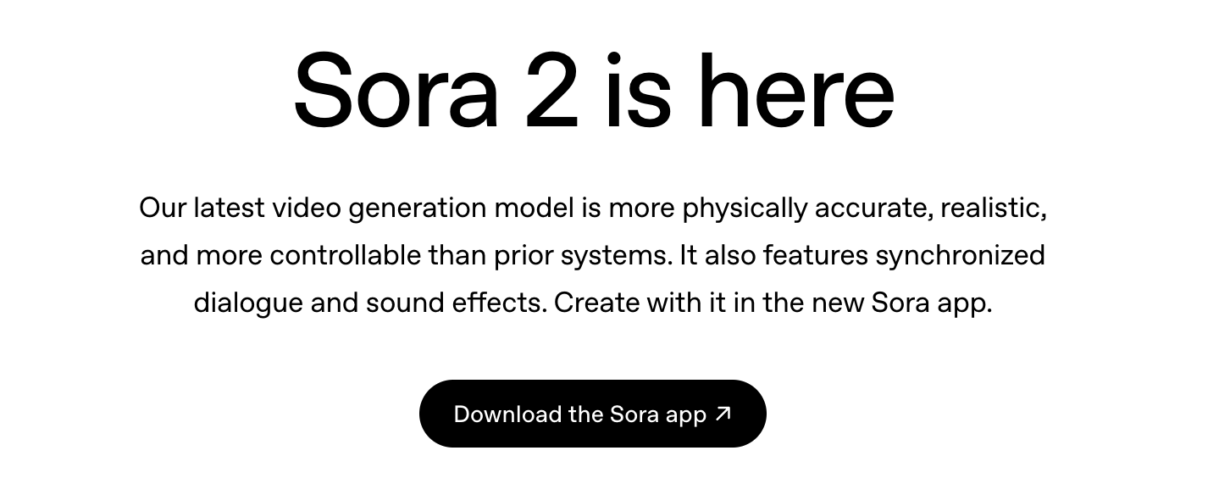
OpenAI’s Sora 2 kept expanding its invite-only rollout in October, and the hype is justified. The model now generates hyper-realistic videos with synchronized sound, a TikTok-style “For You” feed, creator profiles, and social features (likes, comments, follows).
It’s clearly gunning for Meta’s Vibes and the short-form video crown. The only question left: can OpenAI afford the GPU bill, or will this turn into an ad-supported YouTube clone?
Hardware
Google + Anthropic: 1 Million TPUs
Official announcement!
Late October brought a monster deal: Anthropic will deploy over 1 million TPUs with more than 1 gigawatt of computing capacity coming online through 2026.
This multi-billion-dollar expansion locks Anthropic even deeper into Google Cloud and signals a clear shift – TPUs are officially challenging NVIDIA’s GPU monopoly. The AI arms race is now measured in gigawatts, not GPUs.
NVIDIA Hits $5 Trillion
NVIDIA became the first company ever to hit a $5 trillion market cap, fueled by bottomless demand for AI chips. The stock is up over 50% in 2025, boosted by OpenAI’s $100B deal, strong China sales, and fresh Oracle partnerships.
CEO Jensen Huang predicts $500 billion in AI chip orders next year. Analysts warn of a bubble, but NVIDIA’s dominance is unmatched – it’s now worth more than every country’s GDP except the U.S. and China.
Qualcomm’s Data Center Push
Qualcomm announced two new AI chips for data centers, launching next year. It’s a strategic diversification beyond smartphones, signaling that Qualcomm wants a piece of the AI infrastructure market. Details are scarce, but the move shows that NVIDIA’s dominance is attracting serious competition.
Other
OpenAI Atlas Browser
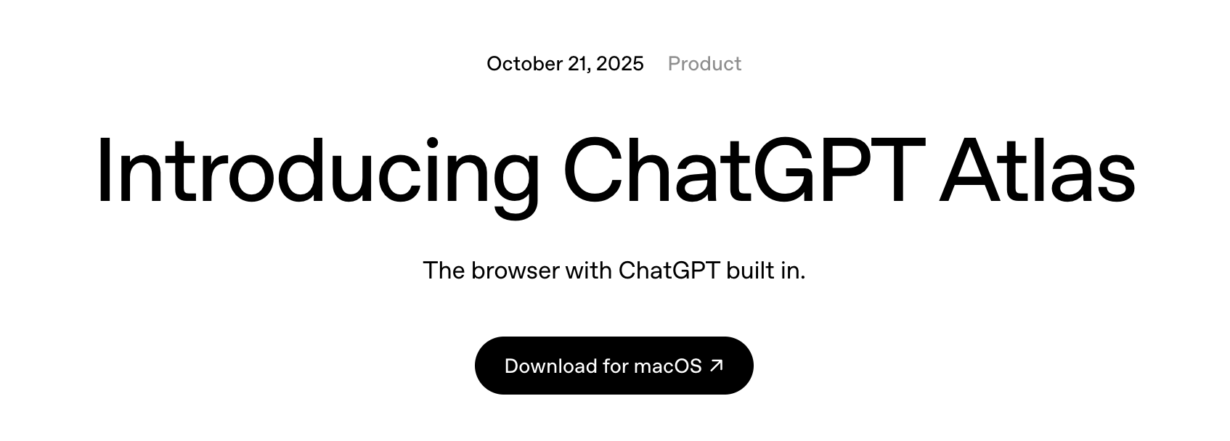
On October 24, OpenAI launched Atlas, an AI-powered browser with ChatGPT built in. It’s a direct strike at Google’s search empire, shifting from keyword hunting to intent-driven, conversational exploration.
The killer feature? Agent Mode, which performs searches, summarizes results, and even takes actions autonomously. With 800M ChatGPT users, Atlas has instant reach – and if it sticks, it could finally end Google’s 25-year search dominance.
GitHub Agent HQ
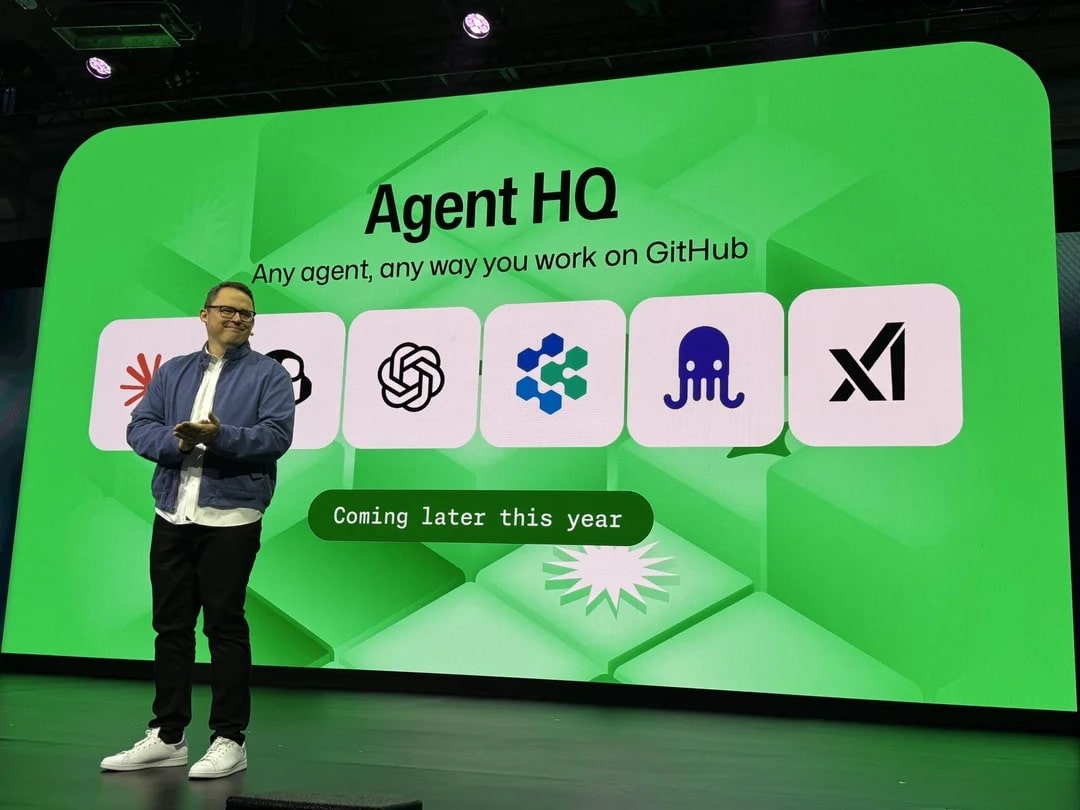
At GitHub Universe, the company unveiled Agent HQ, its master plan for an agent-native future. Paid Copilot users will soon access coding agents from Anthropic, OpenAI, Google, Cognition, xAI, and others.
The centerpiece: Mission Control, a dashboard for assigning, managing, and monitoring multiple agents across GitHub, Copilot CLI, and VS Code. Think of it as Jira for your AI coworkers, complete with branch controls and policy enforcement.
Cursor 2.0
Cursor 2.0 introduces a radical redesign: up to 8 agents working in parallel via git worktrees and remote trees to avoid conflicts. The new Composer engine is 4× faster, completing most turns in under 30 seconds.
Instead of files, the UI now revolves around agents. Cursor isn’t just an IDE anymore, it’s proof that the future of coding is multi-agent collaboration.
OpenAI Restructuring Complete

OpenAI finalized its restructuring, converting its for-profit arm into OpenAI PBC (Public Benefit Corporation). Microsoft now owns 27%, while the new OpenAI Foundation holds 26% – worth roughly $130B.
As a PBC, OpenAI must legally consider all stakeholders, not just shareholders. It’s a middle ground between nonprofit mission and big-money reality.
Aardvark: OpenAI’s Security Agent
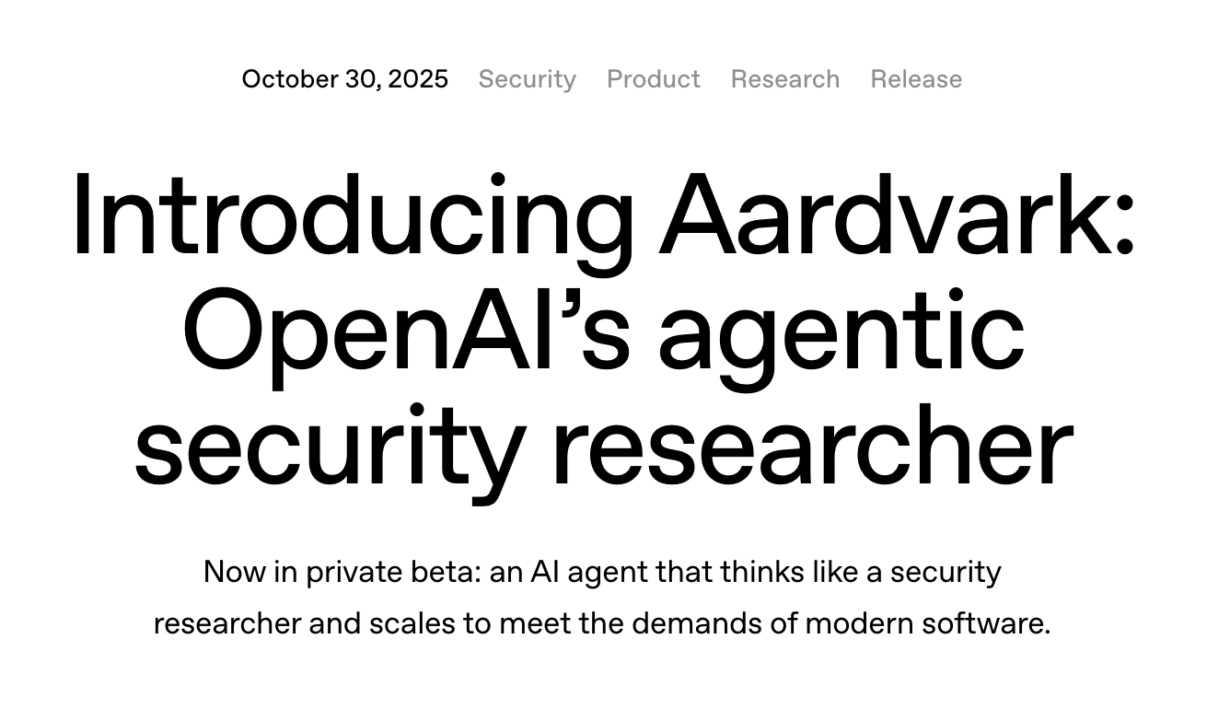
Meet Aardvark, OpenAI’s private beta security agent. It continuously scans source code to find and patch vulnerabilities using LLM-powered reasoning, not just static analysis or fuzzing.
If it scales, it could finally tip the cybersecurity balance toward defenders.
Microsoft Copilot Planning Mode
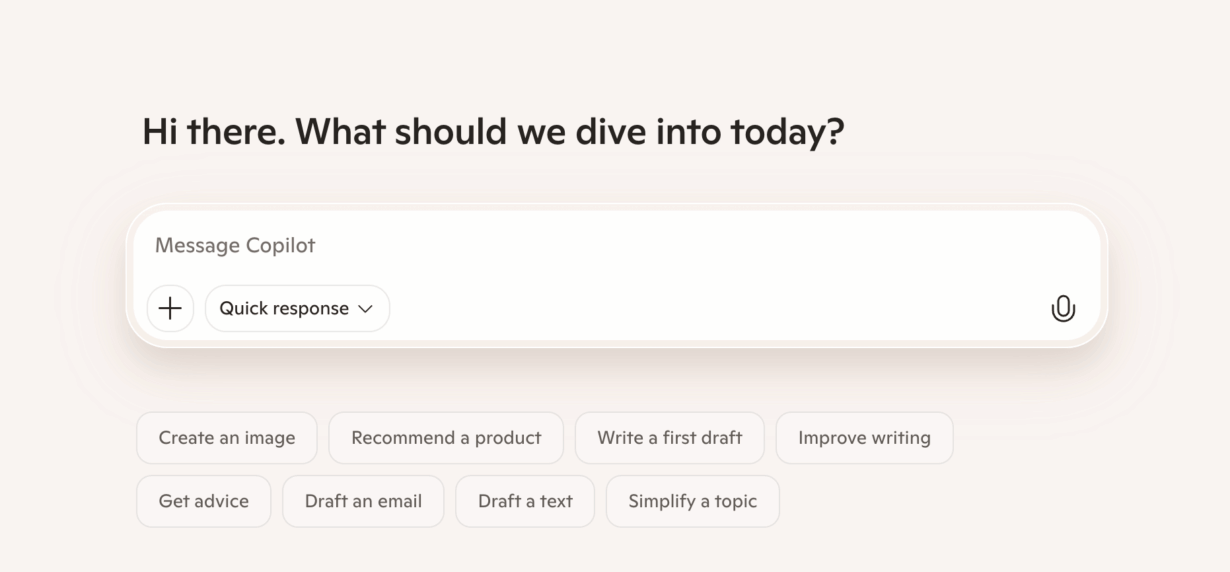
Microsoft rolled out a public preview of Planning Mode in Copilot Agent Mode for Visual Studio. It breaks down complex tasks into smaller steps, researches codebases, and adjusts as it learns – shifting Copilot from “autocomplete” to autonomous teammate
Workato Enterprise MCP
Workato launched Enterprise MCP (Model Context Protocol), which turns SaaS workflows and APIs into agent-ready building blocks. It’s the missing link between corporate systems and AI agents, solving the “great integration headache” for enterprise adoption.
JetBrains DPAI Arena

JetBrains introduced Developer Productivity AI Arena, an open benchmarking platform that evaluates AI tools on real-world dev tasks, patching, bug fixes, PR reviews, test generation, and more.
Finally: a neutral, standards-based way to measure AI’s actual impact on developer productivity.
GitKraken Insights
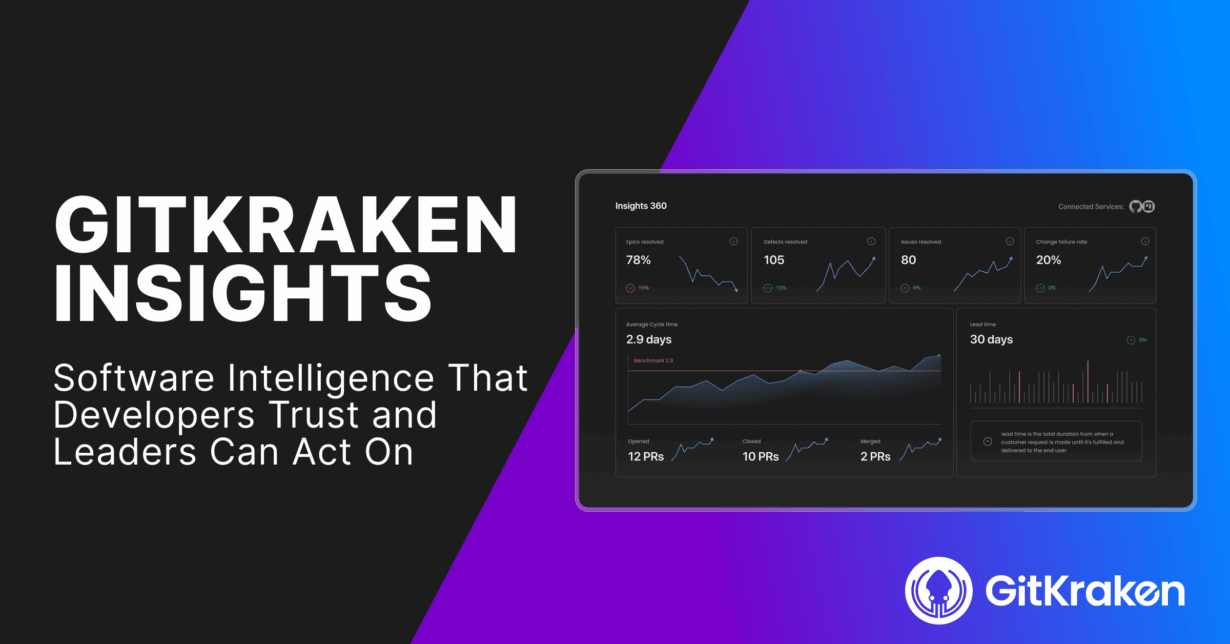
GitKraken Insights helps companies measure the ROI of their AI tools. It blends DORA metrics, code quality, technical debt tracking, and developer experience data to answer the CFO’s favorite question: “Is this AI investment paying off?”
Meta’s $70B AI Bet
Zuckerberg is going all in: Meta will spend $70–72 billion on AI in 2025, with even more in 2026. Q3 revenue hit $51.2B (+26%), but investors weren’t thrilled – the stock dipped 8% over spending fears.
Reality Labs lost $4.4B this quarter, but Zuck’s convinced: early, massive AI investment is the long game.
1X Neo Humanoid Robot
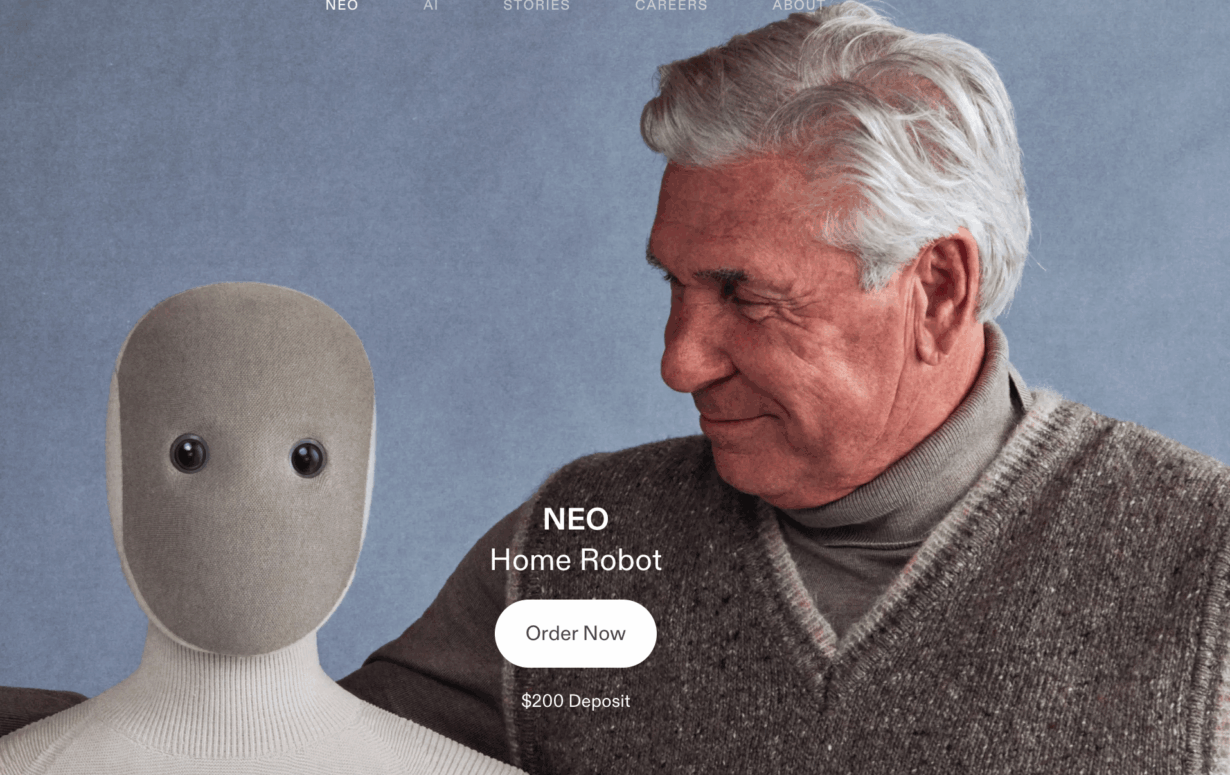
Neo – a 5’6”, 66-lb humanoid robot – is now available for $20,000 or $500/month. Powered by NVIDIA Jetson Thor and open-source Groot models, it can see, hear, and remember.
When it gets stuck, a human “1X expert” takes over remotely via VR. Not fully autonomous yet, but it’s the clearest sign that home robotics is crossing from sci-fi to subscription.
Adobe MAX 2025
Adobe went all in on AI at its annual MAX event (Oct 27–28). Every Creative Cloud app – Photoshop, Lightroom, Premiere, Illustrator, Express – now has agentic AI assistants.
Firefly Image Model 5 debuts alongside partner models from Google, OpenAI, Runway, ElevenLabs, and Luma. Adobe also launched Firefly Custom Models for enterprise-grade, on-brand generation.
The takeaway: the creative future is multi-model and Adobe wants to be its hub.
AWS US-EAST-1 Outage
October ended with a bang or rather, a blackout. AWS’s US-EAST-1 region, its largest, went down for 15 hours due to a cascading DNS failure.
Even multi-AZ deployments went offline, exposing the hard truth: real resilience means multi-region or multi-cloud setups. In 2025, one region = one point of failure.
Fun Corner


SUMMARY
That’s a wrap for October!
October was the month agents truly took over – from coding companions and planning copilots to browsers that browse for you. Hardware scaled to gigawatts, humanoid robots moved in, and even the cloud giants stumbled.
See you next month – until then, keep experimenting, keep iterating, and maybe let your favourite agent take the first draft.
Want to learn more?
Explore our blog for detailed guides, technical tutorials and much more!
Also, don’t forget to join Scalac’s Talent Pool!
Check more here https://scalac.io/blog/scala-rust-devops-frontend-ca


Authors

An AI expert and Scala developer at Scalac, providing ongoing analysis of key developments in artificial intelligence. Scalac's go-to specialist for AI trends and applications. His work bridges the gap between AI research and practical business implementation, making him a trusted voice not only among all the blog posts here, but in the AI community in general. Also, a proud owner of a Czechoslovakian Wolfdog, one of the closest-to-wolf dog breeds that you can legally own.