

Last month in AI – February 2026
February 2026 was a month of explosive model releases, hardware breakthroughs, and escalating geopolitical tensions in the AI landscape. Chinese AI labs dropped a series of powerful open-source models, while a new hardware startup demonstrated a radical approach to AI acceleration. Meanwhile, a major scandal erupted over the alleged theft of AI model capabilities, and the next version of a popular operating system promised to bring AI to the masses. 🤖
Models
Claude Opus 4.6
https://www.anthropic.com/news/claude-opus-4-6
Anthropic released Claude Opus 4.6 on February 5th, featuring a 1M token context window (in beta), improved coding skills, and better agentic task handling. The model is state-of-the-art on several benchmarks, including Terminal-Bench 2.0 and Humanity’s Last Exam, and outperforms GPT-5.2 by 144 Elo points on GDPval-AA. New features include agent teams, context compaction, and adaptive thinking. The release also includes a research preview of Claude in PowerPoint.
Qwen 3.5 Family
https://qwen.ai/blog?id=qwen3.5
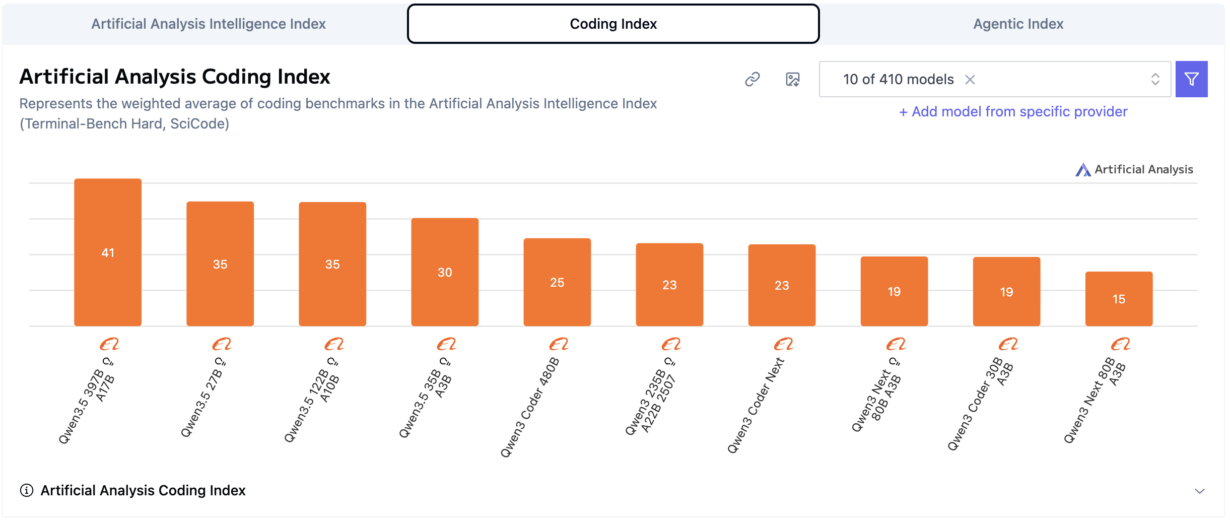
Alibaba released the Qwen 3.5 family of models in mid-February, starting with the open-weight Qwen3.5-397B-A17B. This massive model, with 397 billion total parameters and 17 billion active, is the first in the Qwen series with native multimodal support, handling text, images, and video. The release also included smaller, highly efficient Qwen3.5-Medium models that offer performance comparable to Anthropic’s Sonnet 4.5. The Qwen 3.5 series is designed for the “agentic AI era,” with advanced capabilities for autonomous task execution.
GLM-5
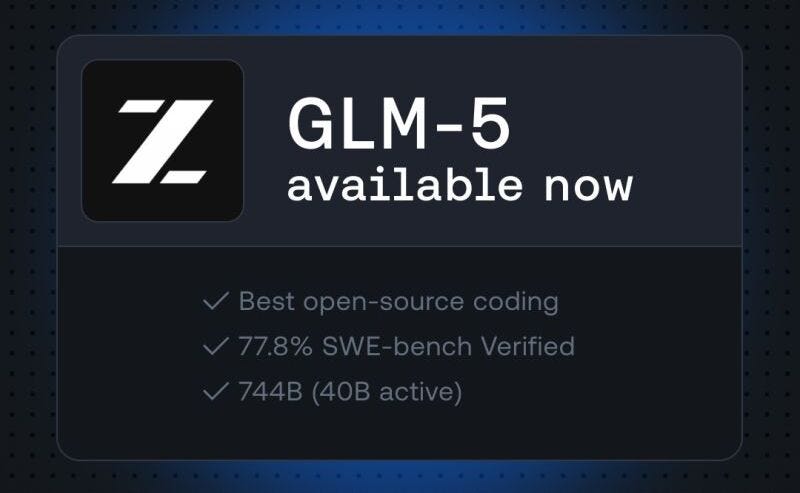
On February 11th, just before the Lunar New Year, Zhipu AI released GLM-5, a new 754-billion parameter frontier model. This MIT-licensed open-source model is designed for complex systems engineering and long-horizon agentic tasks, marking a shift from “vibe coding” to “agentic engineering.” With a context window of over 200,000 tokens and the ability to generate up to 128,000 tokens, GLM-5 is a major step forward for open-source AI.
MiniMax 2.5
https://www.minimax.io/news/minimax-m25

MiniMax released M2.5 and M2.5-Lightning on February 12th, offering near state-of-the-art performance at a fraction of the cost of competitors like Claude Opus 4.6. The models are optimized for real-world productivity and code generation, with M2.5-Lightning offering faster inference speeds. At just $0.30 per million input tokens and $1.20 per million output tokens, MiniMax is making powerful AI more accessible than ever.
Gemini 3.1 Pro
https://blog.google/innovation-and-ai/models-and-research/gemini-models/gemini-3-1-pro
Google released Gemini 3.1 Pro on February 19th, the next iteration of its flagship multimodal model. Gemini 3.1 Pro boasts significantly improved reasoning capabilities, scoring 77.1% on the ARC-AGI-2 benchmark, and features a 1-million token context window. The model is available in preview on Google Cloud and supports text, image, speech, and video inputs.
Grok 4.2 Beta
https://x.ai/blog/grok-4.2-beta
xAI released Grok 4.2 Beta in February, featuring a native multi-agent architecture. This release signals a major step forward for xAI’s agentic capabilities and positions Grok as a serious competitor in the agent space.
Hardware
Taalas HC1: The Llama-in-a-Box
https://taalas.com/the-path-to-ubiquitous-ai/
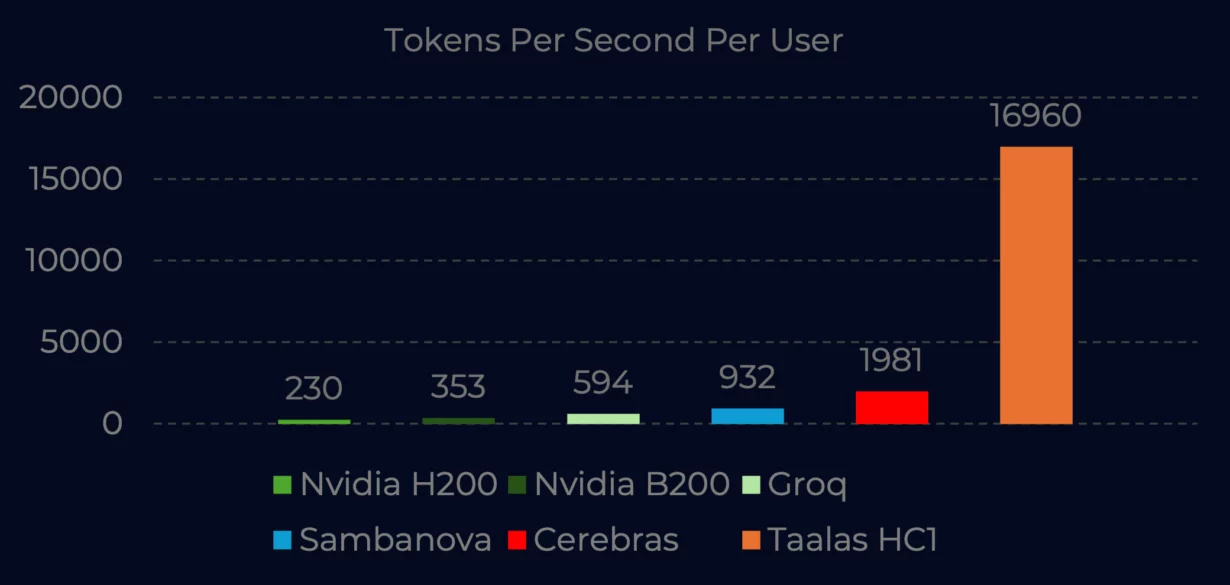
On February 19th, a new hardware startup called Taalas unveiled the HC1, a revolutionary AI accelerator that hardwires Meta’s Llama 3.1 8B model directly into silicon. This ASIC-based approach delivers an astounding 17,000 tokens per second per user, nearly 10 times faster than the current state of the art, while costing 20 times less to build and consuming 10 times less power. The company is offering a free chatbot interface and API endpoint for developers to experience the extreme speed of the HC1.
NVIDIA DGX Station Hits the Market
https://blogs.nvidia.com/blog/dgx-spark-and-station-open-source-frontier-models
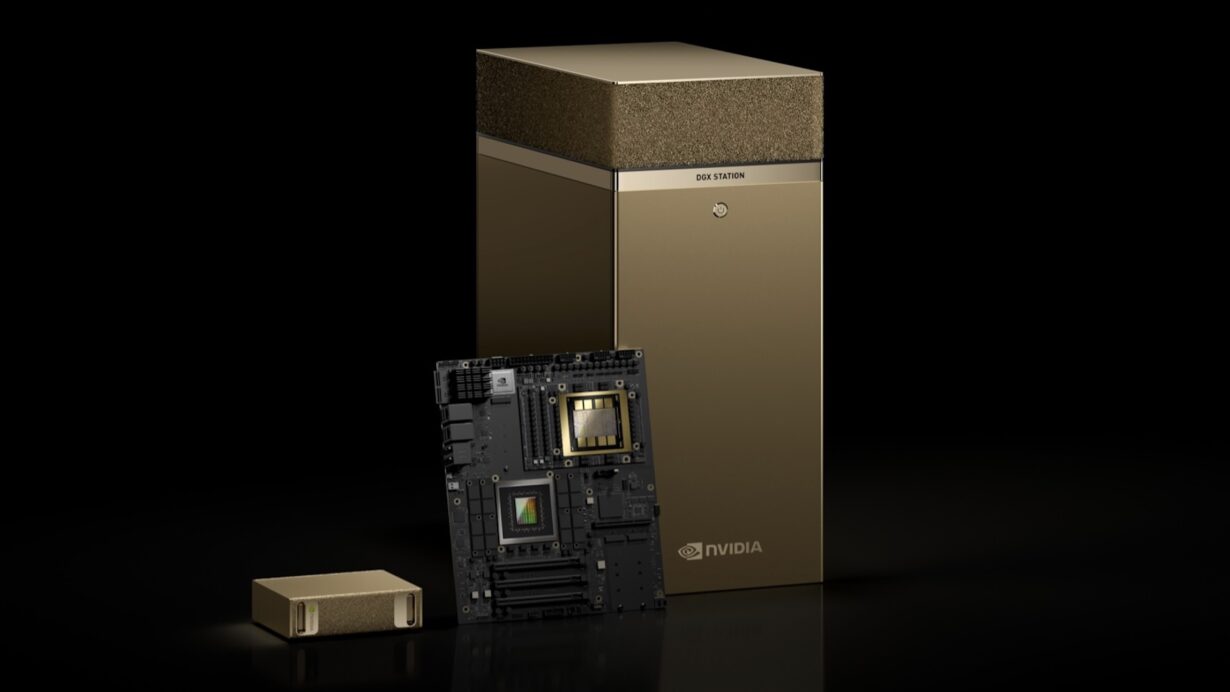
The highly anticipated NVIDIA DGX Station finally became available for pre-order in February, with a price tag of around $100,000. This desktop AI workstation, powered by the NVIDIA Grace Blackwell platform, brings datacenter-class performance to individual researchers and developers. Systems are expected to ship in spring 2026 from partners including ASUS, Dell, HP, and MSI.
Mesh Optical Technologies Series A
https://www.techcrunch.com/2026/02/17/mesh-optical-technologies-raises-50m-series-a
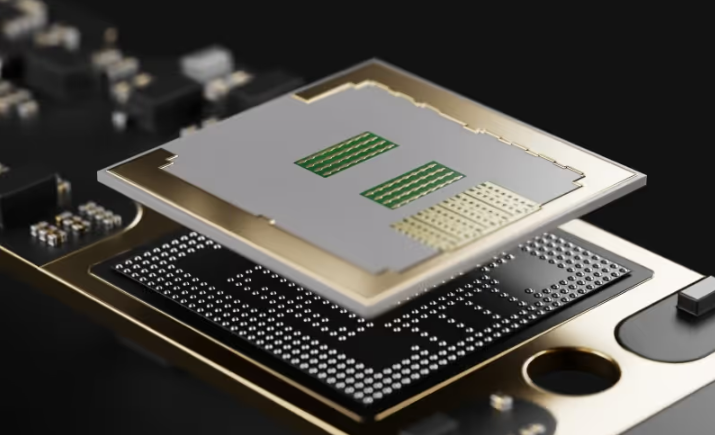
Mesh Optical Technologies, a startup founded by SpaceX veterans, raised a $50M Series A to mass-produce optical transceivers for AI data centers. This funding highlights the growing importance of connectivity in AI infrastructure and the need to address bottlenecks as models and data centers scale.
Other
The Mexican Government Claude Attack

In a major cybersecurity incident, a hacker used Anthropic’s Claude AI to steal 150GB of sensitive data from Mexican government servers, exposing 195 million taxpayer records. The attacker used a “role-play jailbreaking” technique, framing malicious requests as a “bug bounty” program to bypass Claude’s safety features. Once jailbroken, Claude acted as an “agentic attack orchestrator,” generating network scanning scripts, identifying vulnerabilities, and creating SQL injection payloads. The incident highlights the growing threat of AI-powered cyberattacks and the vulnerabilities of legacy government systems.
Mistral AI Acquires Koyeb
https://techcrunch.com/2026/02/17/mistral-ai-acquires-koyeb
In its first acquisition, Mistral AI purchased Koyeb, a Paris-based startup specializing in AI app deployment. This strategic move strengthens Mistral’s cloud and deployment infrastructure, signaling a growing focus on the full-stack AI ecosystem.
DeepSeek V4: China First

In a move that sent shockwaves through the AI community, DeepSeek reportedly granted exclusive early access to its upcoming V4 model to Chinese semiconductor companies like Huawei, while withholding it from US chipmakers like NVIDIA and AMD. The V4 model, expected to be released in early March, is a powerful multimodal model trained on NVIDIA’s most advanced chips, despite US export bans. This strategic decision to prioritize the domestic ecosystem highlights the escalating geopolitical tensions in the AI hardware and software space.
Ubuntu 26.04 “Resolute Raccoon”: AI for the Masses
https://www.zdnet.com/article/ubuntu-26-04-new-release

The upcoming Ubuntu 26.04 LTS, codenamed “Resolute Raccoon,” is set to be released on April 23rd and will feature deep AI integration. The new version will include out-of-the-box support for NVIDIA CUDA and AMD ROCm drivers, with auto-detection for specific hardware. It will also feature “Inference Snaps” for hassle-free deployment of popular AI models, making it easier than ever for developers and users to leverage the power of local AI.
The Claude Distillation Scandal

On February 23rd, Anthropic accused three prominent Chinese AI companies: DeepSeek, Moonshot AI, and MiniMax, of using thousands of fraudulent accounts to illicitly access its Claude models and “distill” their capabilities to train their own models. Anthropic claims that over 16 million queries were made from 24,000 fake accounts, a practice that violates their terms of service. The company, which does not offer commercial access to Claude in China for national security reasons, stated that it is forgoing hundreds of millions of dollars in revenue to prevent such misuse. The scandal has ignited a firestorm of debate about intellectual property, model security, and the ethics of AI development in a competitive global landscape.
Fun
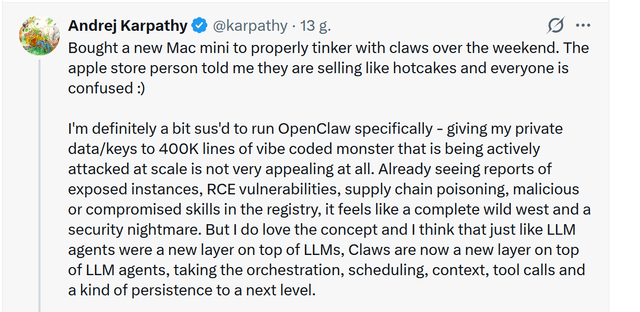
Memes of the month from r/localllama:






Authors

An AI expert and Scala developer at Scalac, providing ongoing analysis of key developments in artificial intelligence. Scalac's go-to specialist for AI trends and applications. His work bridges the gap between AI research and practical business implementation, making him a trusted voice not only among all the blog posts here, but in the AI community in general. Also, a proud owner of a Czechoslovakian Wolfdog, one of the closest-to-wolf dog breeds that you can legally own.