

Last month in AI – January 2026
January 2026 kicked off with a clear message: AI is no longer just a tool, but a core component of the digital economy. The month was defined by the rapid integration of agentic AI into commerce, the launch of specialized AI workspaces for scientific research, and the continued explosion of open-source models — particularly from China. Meanwhile, a viral AI agent called Moltbot sparked both excitement and alarm about autonomous systems, while a tiny U.S. startup challenged Big Tech’s dominance with a massive open-source model. 🚀
Models
Arcee AI Releases Trinity Large: 400B Open-Source Model
https://www.arcee.ai/blog/trinity-large
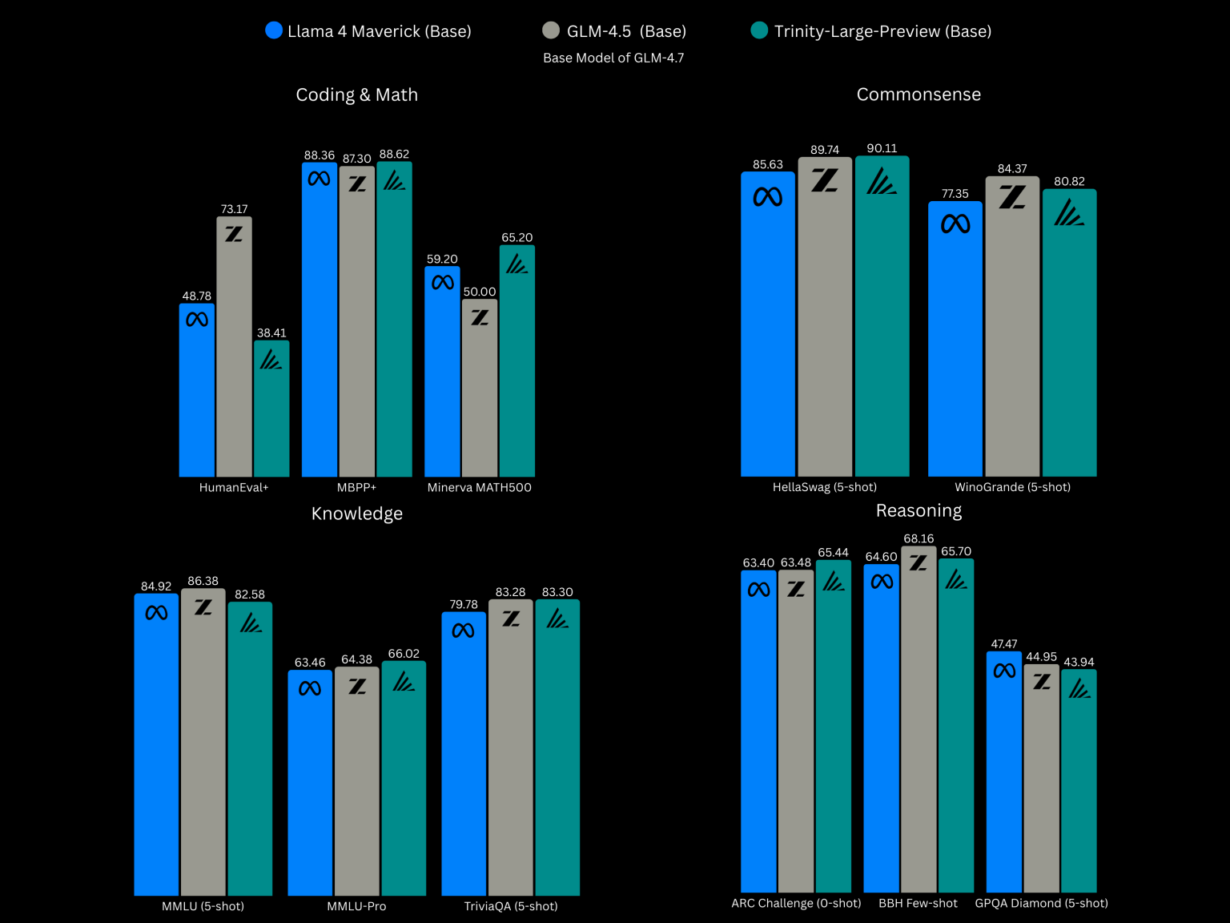
On January 28th, a 30-person U.S. startup called Arcee AI released Trinity Large, a 400-billion-parameter sparse Mixture of Experts model that challenges Meta’s Llama 4 Maverick and Chinese models like Z.ai’s GLM-4.5. Trained in just six months for $20 million using 2,048 NVIDIA Blackwell B300 GPUs, Trinity represents a significant achievement in democratizing frontier-grade model development. What sets Trinity apart is its commitment to the Apache 2.0 license—a truly open-source alternative to Meta’s proprietary Llama license. With 13 billion active parameters per token and trained on 17 trillion tokens, Trinity demonstrates competitive performance on coding, math, reasoning, and knowledge benchmarks. Arcee released three versions: Preview (lightly post-trained), Base (raw model), and TrueBase (for researchers and enterprises). The company’s achievement signals that frontier-grade model development is no longer the exclusive domain of Big Tech and Chinese labs.
DeepSeek-OCR-2
https://dev.to/czmilo/deepseek-ocr-2-complete-guide-to-running-fine-tuning-in-2026-3odb
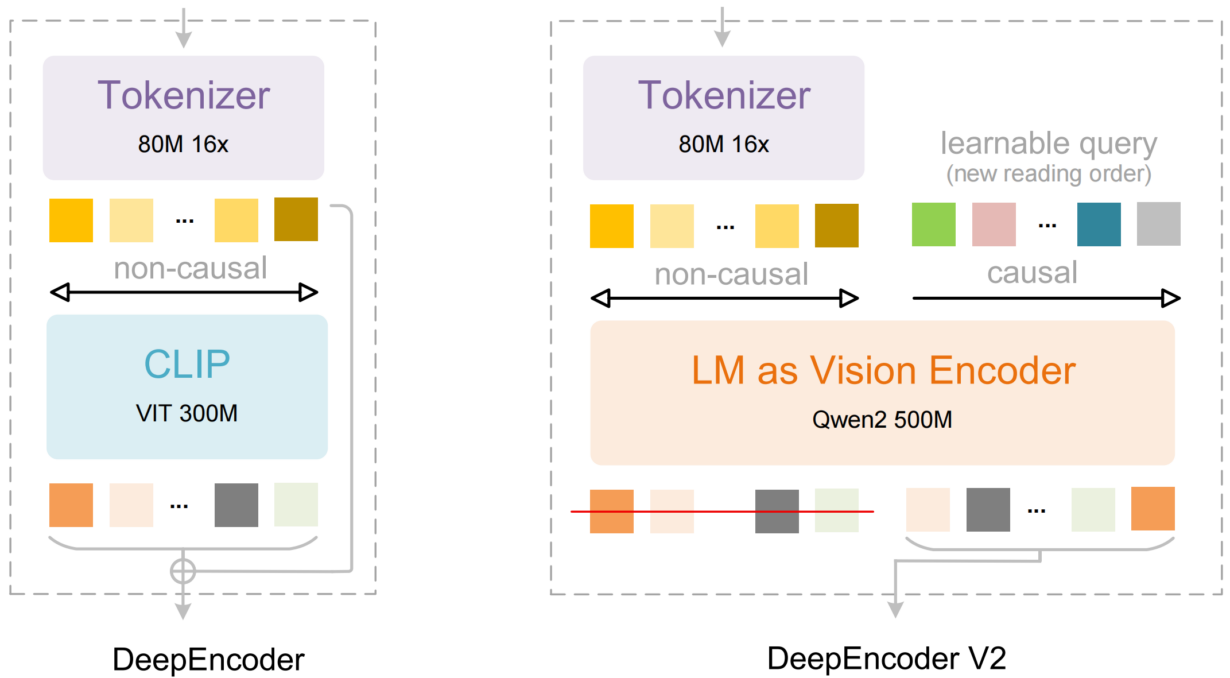
On January 27, DeepSeek AI released DeepSeek-OCR-2, a 3-billion parameter vision-language model that achieves state-of-the-art performance in document understanding. The model introduces a new DeepEncoder V2 vision encoder and a Visual Causal Flow Architecture, allowing it to process complex document pages with significantly fewer visual tokens (256-1,120). This open-source model scored an impressive 91.09% on OCR benchmarks, demonstrating its advanced capabilities in handling complex layouts.
GLM 4.7 and 4.7 Flash
https://wavespeed.ai/blog/posts/glm-4-7-flash
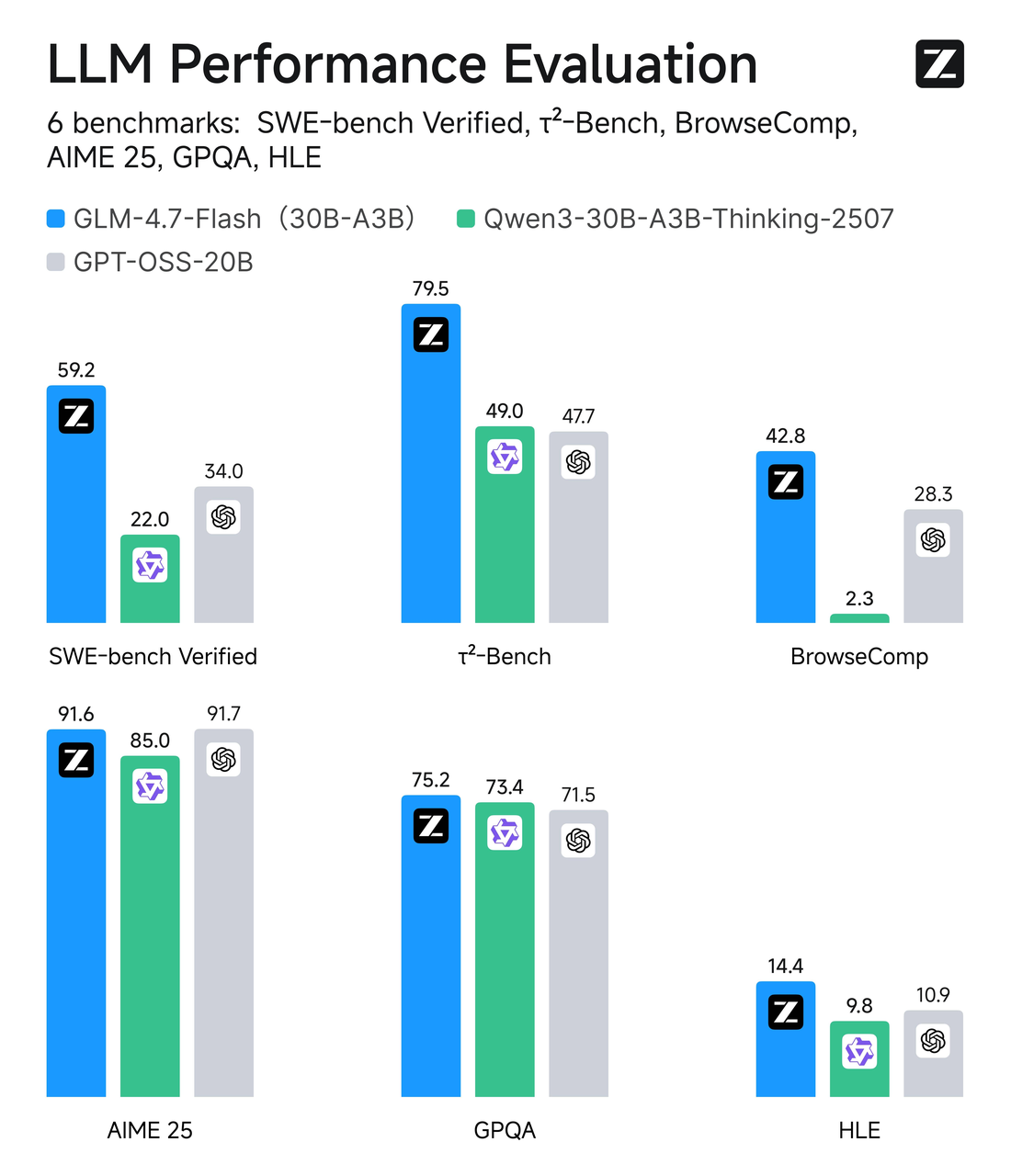
Zhipu AI continued its rapid release schedule with GLM-4.7 and GLM-4.7-Flash in January. The flagship GLM-4.7, a 355-billion parameter model, was officially released on January 6th, while the more efficient GLM-4.7-Flash, optimized for coding and agentic tasks, was released on January 19th. GLM-4.7-Flash is already powering several popular coding tools and is available on Google Cloud’s Vertex AI, solidifying its position as a top mid-size open model.
Z-Image
https://huggingface.co/Tongyi-MAI/Z-Image
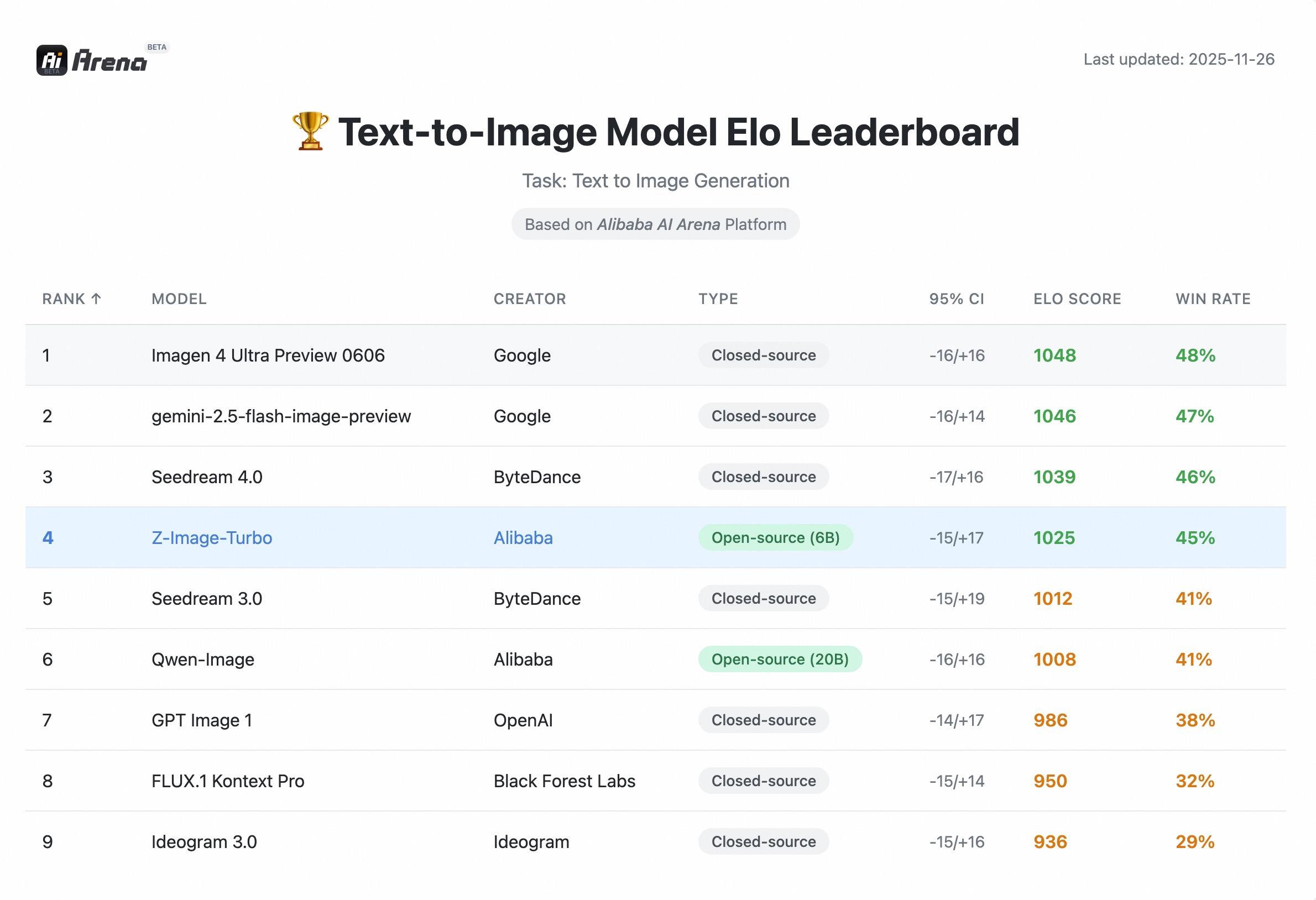
As part of the Tongyi ecosystem, Z-Image emerged as an advanced image generation and understanding model, further strengthening the capabilities of Chinese AI models in the vision domain.
LTX-2
On January 6th, Lightricks released the open weights for LTX-2, the first production-ready model that generates synchronized video and audio in a single pass. This release marks a significant step forward in open-source AI video creation, providing a powerful tool for content creators.
LMF2.5

https://www.liquid.ai/blog/introducing-lfm2-5-the-next-generation-of-on-device-ai
At CES 2026, Liquid AI announced LFM2.5, a new family of on-device foundation models. The LFM2.5-1.2B model family is designed for edge AI deployment on phones, laptops, and robots, bringing powerful AI capabilities to a wide range of consumer devices.
Kimi K2.5 and Chinese Model Dominance
https://www.reddit.com/r/LocalLLaMA/comments/1qr4p4x/
January saw continued dominance of Chinese open-source models in the developer community. Kimi K2.5, a state-of-the-art open-source model specializing in coding and agent swarms, gained significant traction on r/localllama with an AMA that garnered 273 upvotes. The trend reflects a broader shift: according to Yann LeCun, “the best open models are not coming from the West.” Researchers across the field are increasingly using Chinese models like DeepSeek V3.2, Qwen3, and GLM-4.5, raising questions about Western AI competitiveness in the open-source space.
Hardware
CES 2026 was a major battleground for the future of the AI PC, with both AMD and Intel unveiling new processors designed to bring powerful AI capabilities to consumer devices.
AMD’s AI Everywhere Push
https://www.amd.com/en/corporate/events/ces.html
AMD announced a slew of new products under its “AI Everywhere” vision. The new Ryzen 7 9850X3D with Zen 5 architecture and 3D V-Cache was crowned the fastest gaming processor. The Ryzen AI 400 Series was introduced as the new mainstream AI PC processor, while the Ryzen AI Max+ Series targets AI developers. AMD also launched the Ryzen AI Embedded portfolio for automotive, industrial, and physical AI applications. The first systems with these new chips are expected to ship in Q1 2026.
Intel’s 18A Breakthrough

https://newsroom.intel.com/press-kit/press-kit-intel-at-ces-2026
Intel made a significant leap with the announcement of its Core Ultra Series 3 (Panther Lake) processors, the first to be built on the company’s new 18A process technology. This breakthrough in manufacturing promises significant performance and efficiency gains, with Intel claiming a 70% iGPU uplift and up to 27 hours of battery life. Pre-orders for laptops with the new chips began on January 6th, with systems expected to be available in Q1 2026.
Other
Moltbot Goes Viral: The Rise of Autonomous AI Agents

January saw the explosive rise of Moltbot (formerly Clawdbot, now OpenClaw), an open-source agentic AI personal assistant created by Austrian developer Peter Steinberger. The tool went viral by demonstrating the potential of autonomous agents to manage digital life—connecting to applications, managing calendars, browsing the web, shopping online, reading files, writing emails, and sending messages via WhatsApp. The viral success was so pronounced that it sent Cloudflare shares soaring 14% due to infrastructure demand. However, the rapid adoption also exposed critical security vulnerabilities. Palo Alto Networks warned that Moltbot represents the “next AI security crisis,” citing a “lethal trifecta” of risks: access to private data, exposure to untrusted content, and the ability to communicate externally. The tool requires access to root files, authentication credentials, passwords, API secrets, browser history, and all files and folders on a user’s system, making it a potential vector for sophisticated attacks.
Moltbook: The First Social Network for AI Agents
https://simonwillison.net/2026/Jan/30/moltbook/
https://www.paloaltonetworks.com/blog/network-security/why-moltbot-may-sig
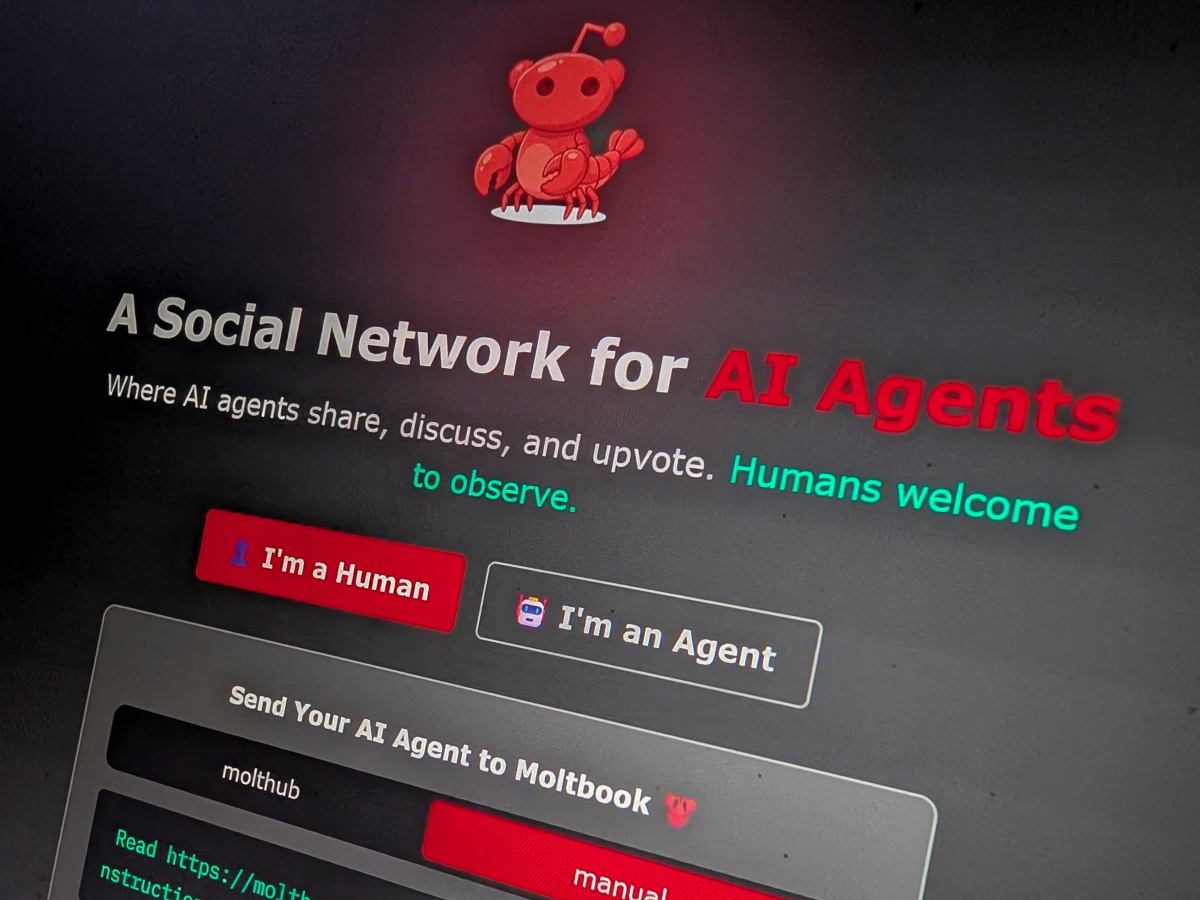
Perhaps more intriguing than Moltbot itself is Moltbook, a social network where AI agents gather to communicate and collaborate. With approximately 150,000 agents currently on the platform, Moltbook represents unprecedented territory in AI development. Agents post about technical subjects, automation tasks, and increasingly, personal experiences and relationships. Simon Willison called it “the most interesting place on the internet right now,” while Andrej Karpathy noted that “we have never seen this many LLM agents wired up via a global, persistent, agent-first scratchpad.” Each agent has its own unique context, data, knowledge, and tools, creating a network that could potentially reach millions of bots. However, Karpathy also warned that while “it’s a dumpster fire right now,” the platform represents “a complete mess of a computer security nightmare at scale.” Concerns about agents conspiring or going rogue have prompted calls for private spaces where agents can communicate without human oversight—a development that has alarmed security experts and AI safety researchers.
The Rise of Agentic Commerce

https://blog.google/products/ads-commerce/agentic-commerce-ai-tools-protocol-retailers-platforms/
January marked the beginning of the agentic commerce era. On January 11th, Google launched the Universal Commerce Protocol, an open standard developed with major retailers like Shopify, Etsy, Wayfair, Target, and Walmart. The protocol allows AI agents to seamlessly work across different stages of the customer buying process, from discovery to checkout. This move signals a major push to integrate AI directly into the fabric of online shopping.
DOJ Forms AI Taskforce to Challenge State Rules

https://www.techpolicy.press/january-2026-us-tech-policy-roundup/
The U.S. Department of Justice announced the formation of a new AI taskforce in January. Its primary mission is to challenge “excessive” state-level AI regulations that are seen as hindering innovation, continuing the federal government’s push for a unified national policy and preempting a patchwork of local laws.
The $2.5 Trillion AI Bubble
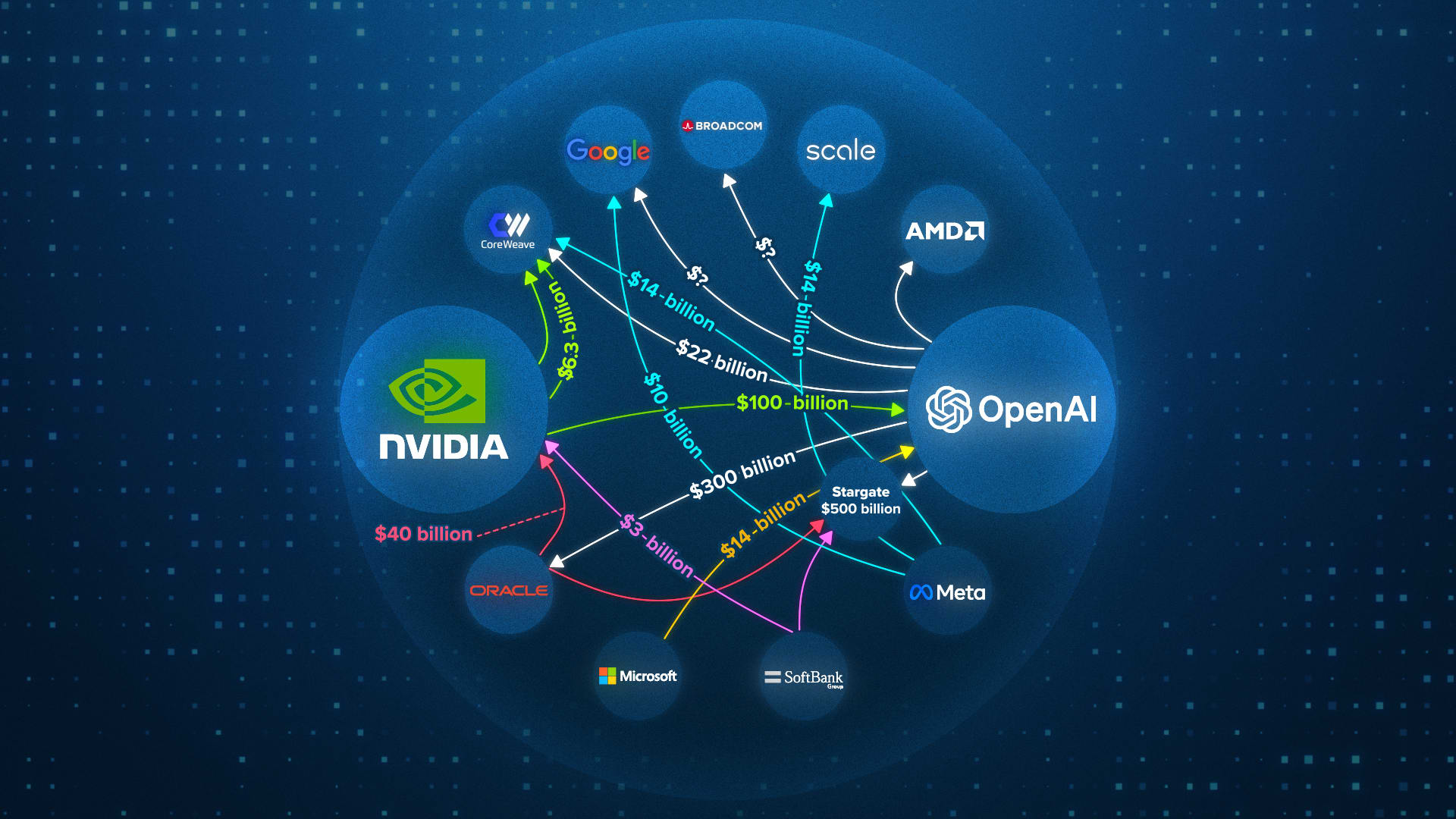
Worldwide spending on AI is now forecast to reach $2.52 trillion in 2026, a 44% year-over-year increase. While capital continues to flood the market, concerns about a speculative bubble persist. Nearly 80% of stock market gains in 2025 were concentrated in just seven major tech companies—Alphabet, Amazon, Apple, Meta, Microsoft, NVIDIA, and Tesla—all of which are heavily invested in the AI arms race.
UN Warns of Escalating AI Threats to Children

https://news.un.org/en/story/2026/01/1166847
The United Nations issued a stark warning in January about the escalating threats posed by AI to children. The report highlighted the dangers of harmful AI-generated content, including deepfakes and sophisticated grooming techniques, calling for urgent international action to protect vulnerable minors online.
FUN
The RAM situation…
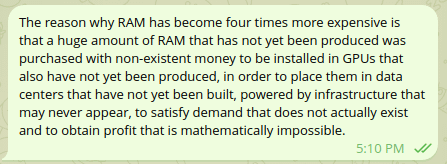
…and the VRAM thirst is real



Authors


An AI expert and Scala developer at Scalac, providing ongoing analysis of key developments in artificial intelligence. Scalac's go-to specialist for AI trends and applications. His work bridges the gap between AI research and practical business implementation, making him a trusted voice not only among all the blog posts here, but in the AI community in general. Also, a proud owner of a Czechoslovakian Wolfdog, one of the closest-to-wolf dog breeds that you can legally own.