

Last month in AI – March 2025
AI-driven Newsletter
Welcome to the first edition of Last month in AI for 2025!
This month, we have plenty of exciting news to share, including major releases, updates, and insightful articles. Whether you’re deep into machine learning or just curious about the latest buzz, there’s something here for you.
Let’s take a look at what’s latest in AI!
Models
Google Gemini 2.5 Pro
Closed reasoning model with 1M token context window, featuring enhanced problem-solving, stronger coding abilities, improved memory, and multimodal capabilities.
Gemma 3
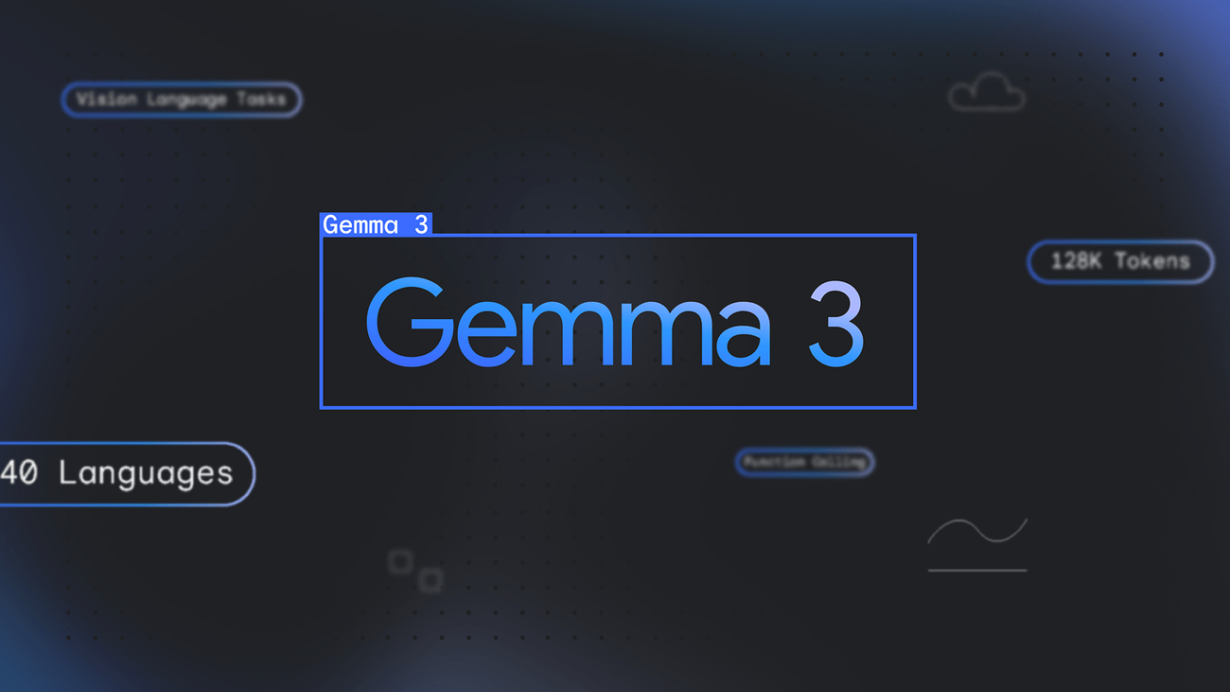
New open-source multimodal model available in sizes from 1B to 27B parameters, supporting 140+ languages and context windows up to 128K tokens.
Deepseek V3-0324
Does anyone remember Deepseek V3? That was the beginning of a revolution in December 2024. It was a prelude to the release of Deepseek R1, which performed better in some benchmarks than OpenAI’s o1. Now they’ve updated their model to V3-0324. It’s said to be comparable to GPT-4.5 and Claude Sonnet 3.7, while remaining open source.
LLama 3.3 Nemotron
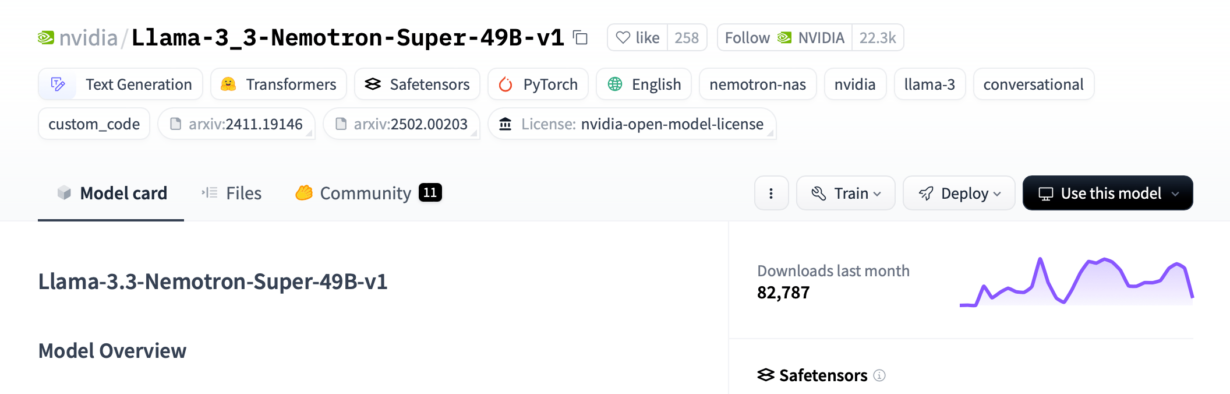
The 49B parameter model from Nvidia, distilled from Llama 3.3 70B for optimal accuracy with high throughput.
Qwen QwQ-32b
Medium-sized model from Qwen with strong reasoning capabilities.
Qwen2.5-Omni-7B
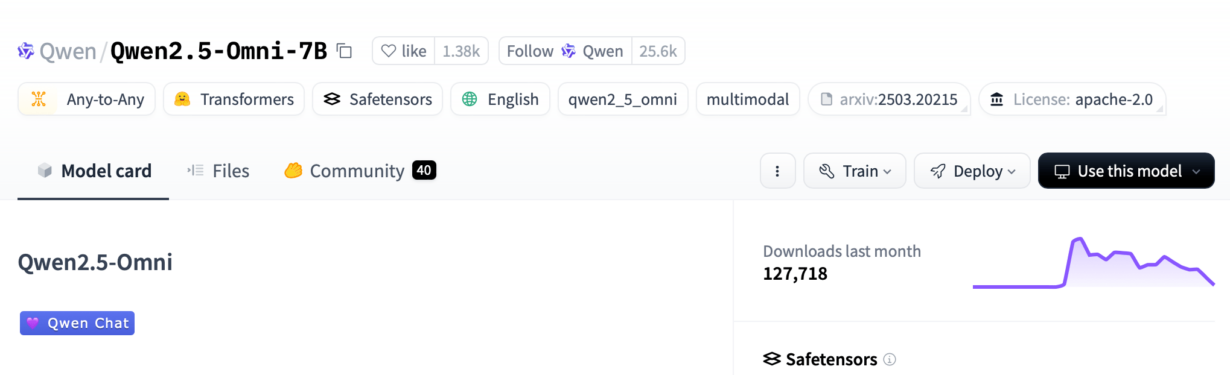
Fully multimodal model from Qwen. Designed to support fully real-time interactions througideo, voice recognition and text. Definitely need to try this one out!
EXAONE-Deep
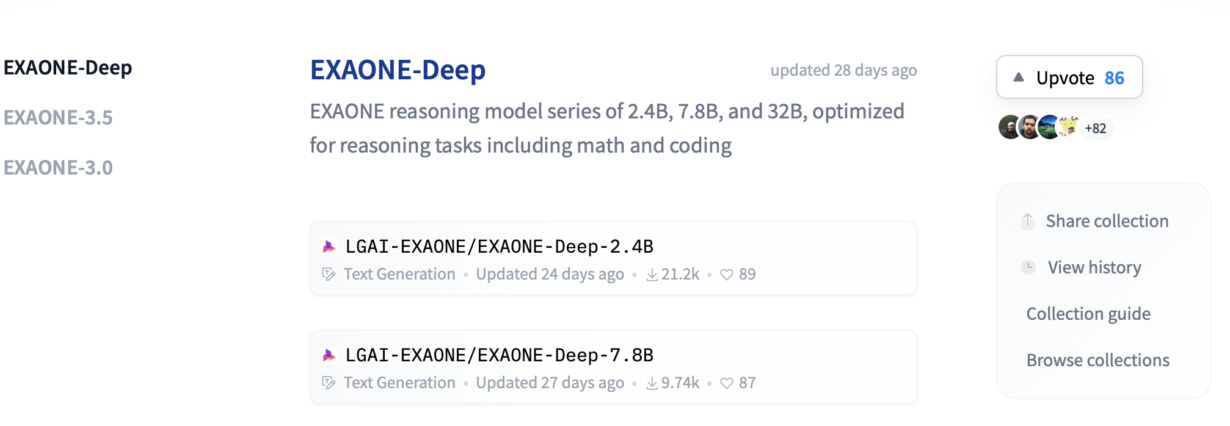
LG’s model optimized for reasoning tasks including math and coding.
Hunyuan-T1
Every major tech company seems to have its own AI model now. Tencent, the company that currently owns the rights to one of the biggest MOBA games, League of Legends, has released its own model called T1. It’s said to be particularly adept at generating text in Chinese and processing extended documents.
Hardware
NVIDIA Quadro Pro 6000
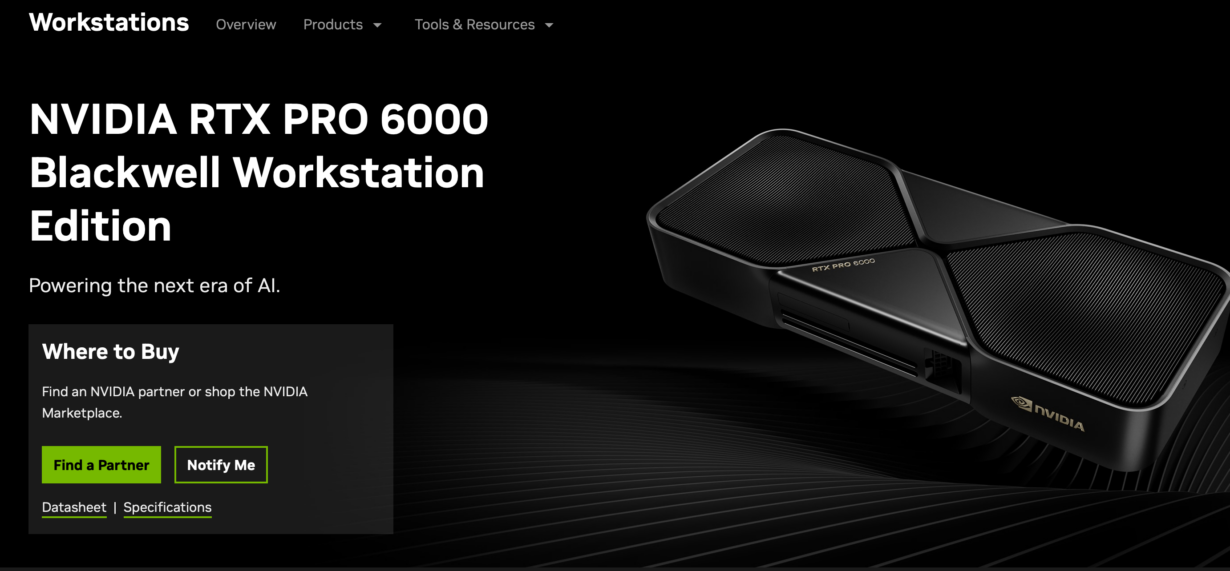
New Quadro card from NVIDIA, finally with a huge leap in VRAM – 96GB. It’s starting to show up for preorders in some places, and its price is less than $10,000 USD. A more interesting but mostly overlooked card is the RTX PRO 5000 with 48GB of VRAM and a 384-bit memory bus. What’s so interesting about it? It looks like it could outperform the RTX 6000 Ada while being about 30% cheaper. This suggests there will likely be some movement in the used graphics card market.
NVIDIA DGX Station
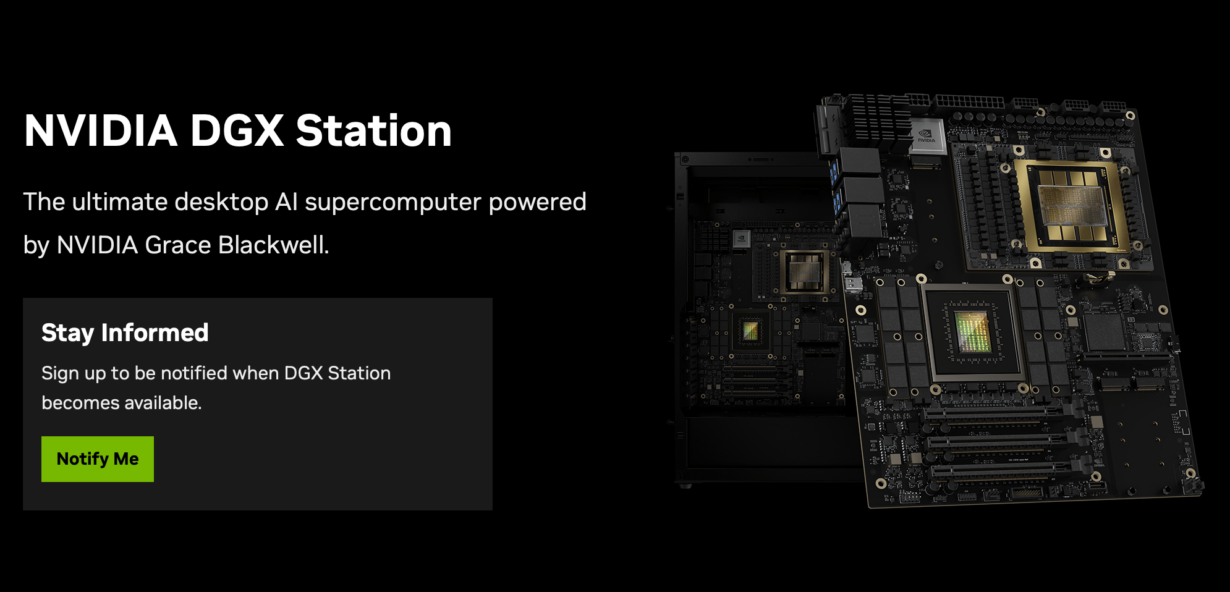
NVIDIA also unveiled the DGX Station – a motherboard with integrated memory, CPU, and GPU boasting up to a massive 784GB of total memory. While not unified, the GPU can utilize up to 288GB with an impressive 8TB/s bandwidth, and the CPU can access up to 496GB of LPDDR5X memory with speeds reaching 396 GB/s. The system also offers clustering capabilities through the new NVIDIA ConnectX-8 SuperNIC, which is designed to provide bandwidth up to 800Gb/s (not GB/s as originally stated). Currently, the only supported operating system is NVIDIA DGX OS, at least for the time being.
Asus Ascent GX10
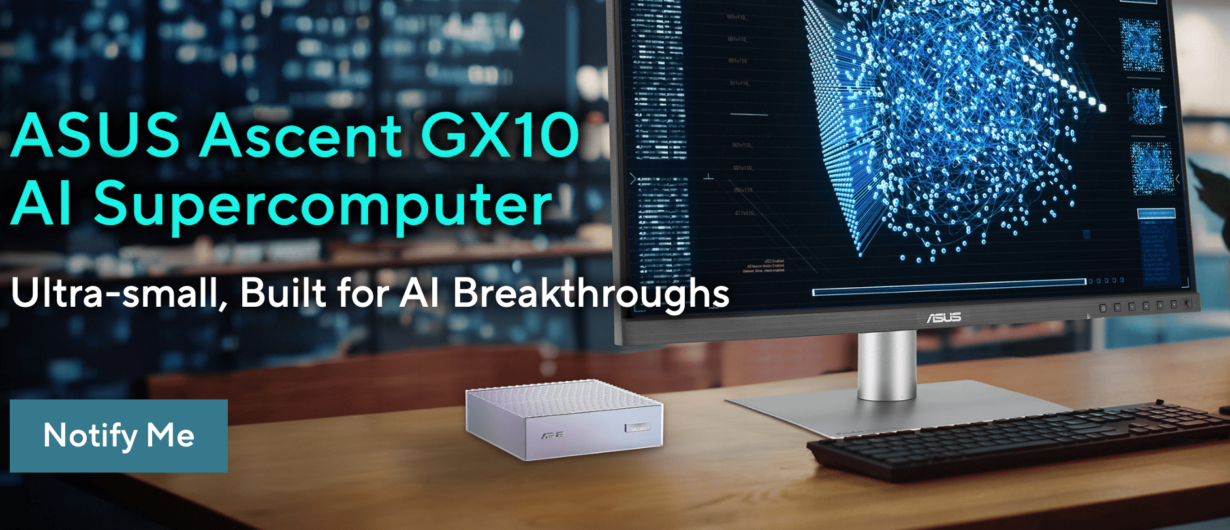
The younger brother of DGX Spark, but from ASUS. It will also be much cheaper but with a smaller SSD drive. The price tag for this is $2,999.
Mac Studio 2025
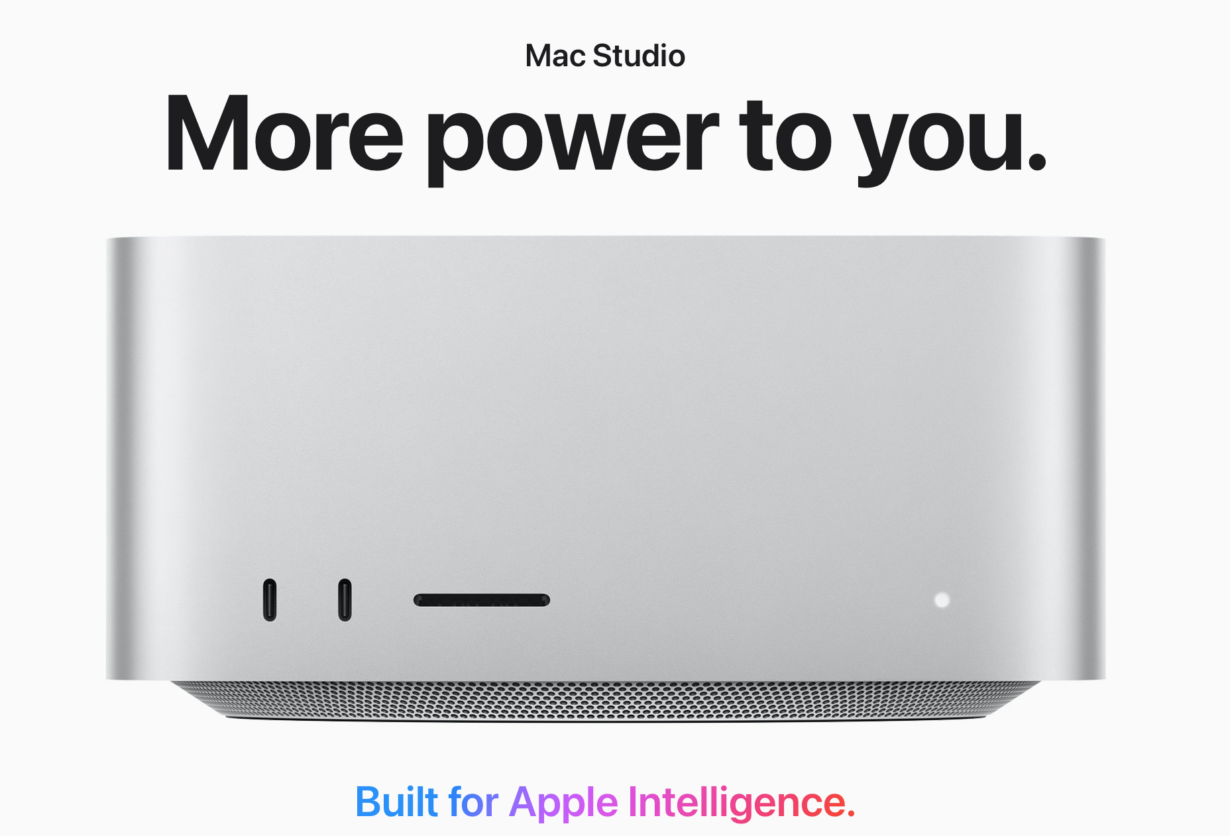
Last but not least! Apple released a new Mac Studio which can be configured with up to 512GB of memory and up to 800GB/s of bandwidth. When the first of these arrived, YouTubers started to test them and managed to run Deepseek R1 Q4 with ~20 tokens/s. But that’s not all – when clustered, they even ran the non-quantized version. Unfortunately, this is a pricey setup. A single Mac Studio with 512GB of memory and basic 1TB of storage costs $9,499.
Other
Manus
The presentation of this general AI agent made some buzz in the community. Planning a trip, analyzing stocks, writing code – it can do it all. Unfortunately, I’m still waiting for my beta access.
OpenManus
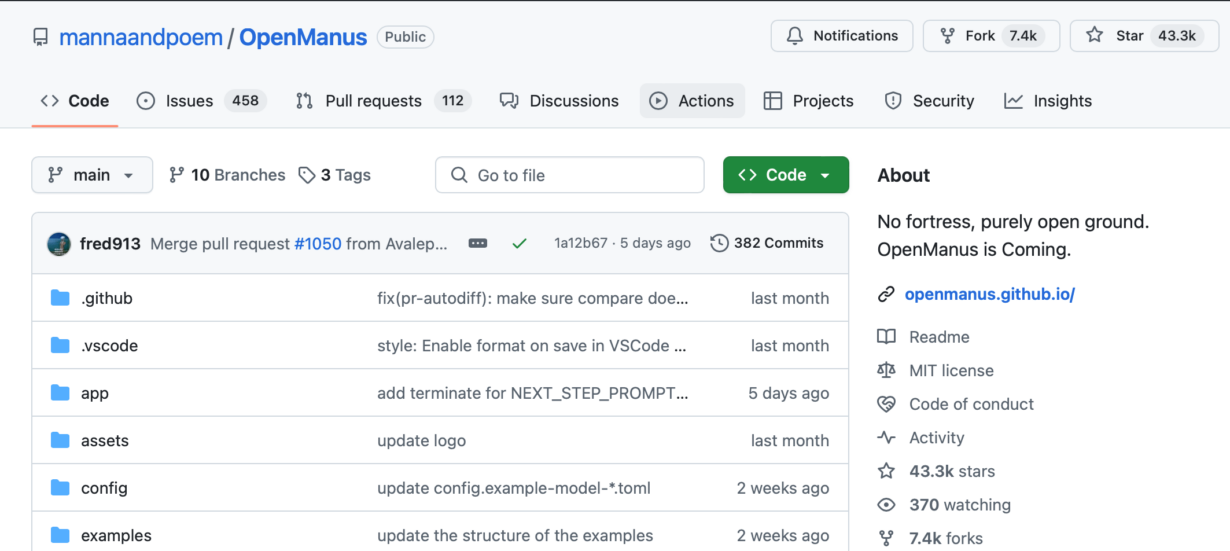
An open-source version of Manus. It’s not as good as the original, but it’s still worth checking out.
MoE article
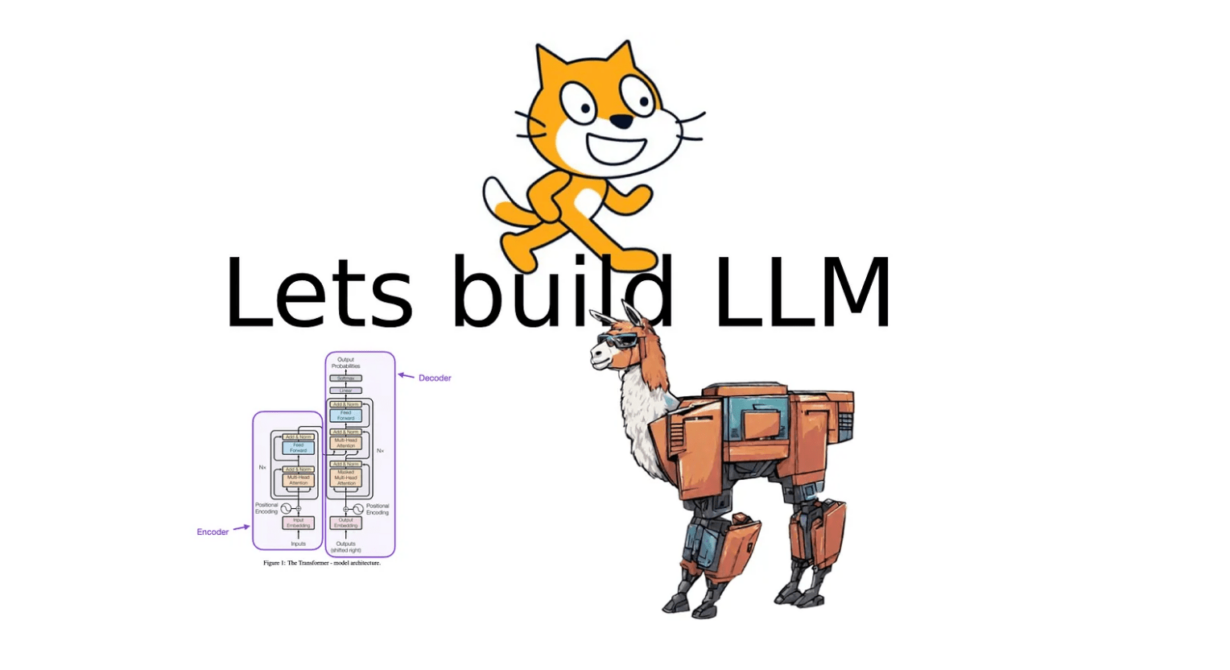
An article about building your own MoE model.
Llama.cpp anniversary

Llama.cpp got its 1,000th release! We wish them at least 1,000 more!
Summary
That’s it for this month’s round-up – we hope you found something that sparked your interest or got you thinking.
Stay tuned for even more AI content, including dev insights, coming very soon!
Until next time – keep exploring, keep learning, and check out our others articles!