
Scalendar – May 2026
May is shaping up to be an exciting month for engineers working at the intersection of Scala, functional programming, and artificial intelligence. While there are fewer strictly Scala-only conferences this time of year, the broader ecosystem is buzzing with events that matter just as much, especially if you’re building data-intensive systems, AI-powered applications, or distributed platforms on the JVM.
From large-scale AI gatherings like Google I/O 2026 to community-driven JVM conferences such as GeeCON 2026 and JNation 2026, May offers plenty of opportunities to explore new ideas, sharpen your skills, and connect with engineers solving real-world problems.
In this edition of Scalendar, we’ve curated a selection of events that go beyond just Scala syntax—focusing instead on where Scala shines today: AI systems, backend architecture, and scalable, type-safe engineering.
Google I/O 202
📅 May 19–20, 2026
📍 Mountain View (and online)
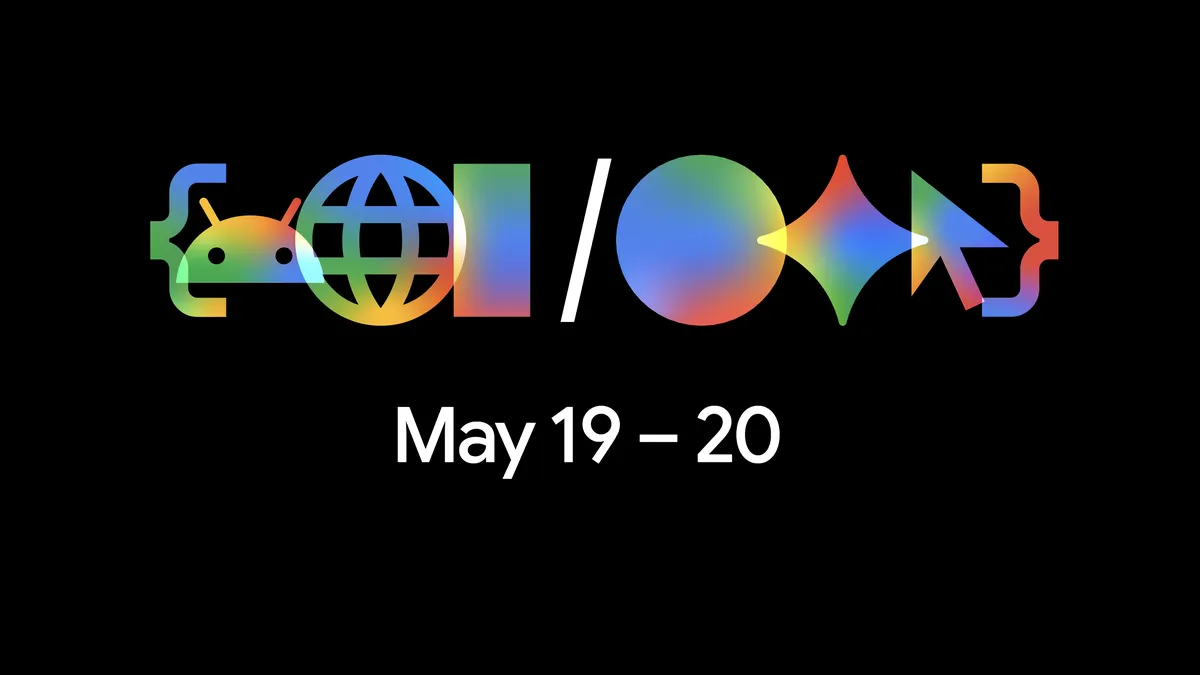
Google I/O 2026 is Google’s flagship developer conference, heavily focused this year on AI-first development. Expect deep dives into Gemini models, multimodal AI, agent workflows, and production-ready AI tooling, alongside updates to Android, Cloud, and developer platforms. (blog.google)
- Learn how AI systems are actually built and deployed at scale
- Explore tools that integrate well with JVM backends and Scala services
- Strong focus on LLMs, AI agents, and developer productivity
👉 Best for: AI engineers, backend developers, platform teams
GeeCON 2026
📅 May 14–15, 2026
📍 Kraków
GeeCON is a major JVM ecosystem conference covering Java, Scala, Kotlin, and modern backend engineering. Topics include microservices, distributed systems, cloud-native architecture, and DevOps. (BigEvent)
- Strong overlap with Scala production systems (Akka, ZIO, FP)
- Increasing presence of talks on data pipelines and AI integration
- Great place to learn how to run AI systems reliably at scale
👉 Best for: Scala backend engineers, platform architects
JNation 2026
📅 May 27–29, 2026
📍 Coimbra
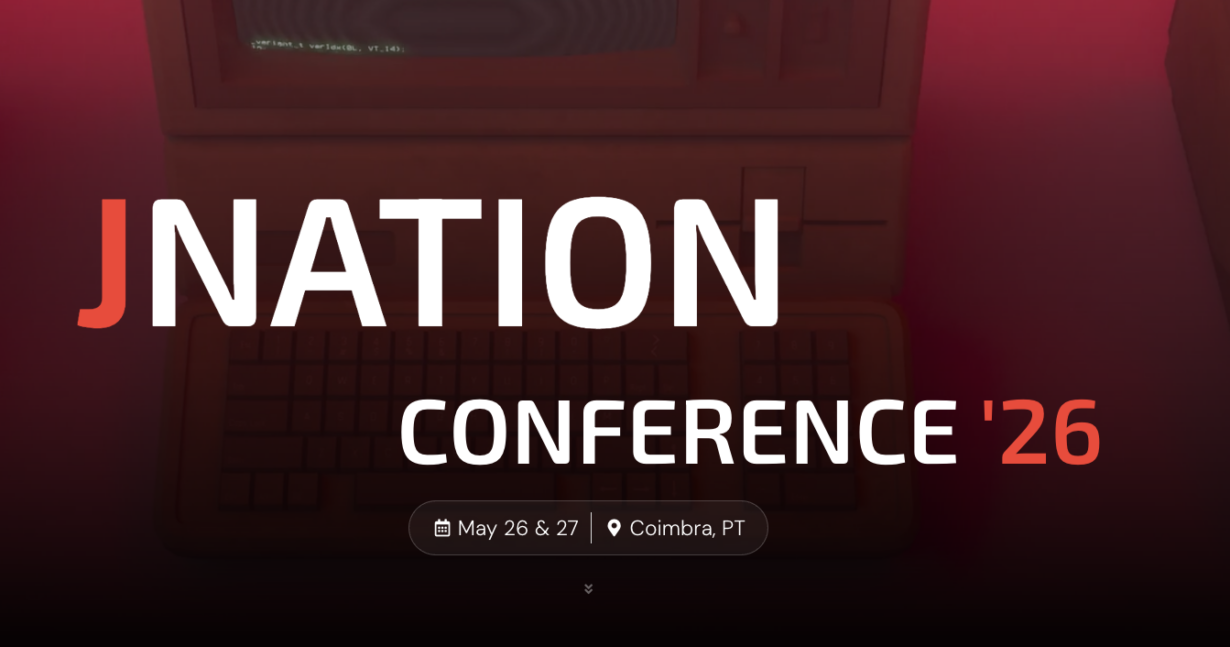
JNation 2026 is a broad software engineering conference focused on the JVM ecosystem, cloud, and modern application development. It brings together practitioners working on real-world distributed systems and emerging AI-powered applications. (dev.events)
- Talks often bridge backend systems + AI workloads
- Focus on practical engineering (not just theory)
- Exposure to modern architectures used in AI-heavy systems
👉 Best for: engineers building production-grade systems with AI components
JCON Slovenia 2026
📅 May 30, 2026
📍 Portorož

JCON Slovenia 2026 is a regional JVM conference focused on modern development practices, cloud, and emerging tech trends, including AI and distributed computing. (dev.events)
- Smaller, more focused and community-driven
- Good mix of JVM + architecture + AI discussions
- Easier networking compared to larger conferences
👉 Best for: engineers who prefer practical talks + smaller audience
FLOPS 2026 (Functional & Logic Programming Symposium)
📅 May 26–28, 2026
📍 Tsukuba, Japan
🔗 https://conf.researchr.org/home/flops-2026

FLOPS 2026 is an academic conference focused on functional programming, type systems, and language design—the theoretical foundations behind Scala and many AI abstractions.
- Deep dive into FP concepts used in Scala (types, effects, DSLs)
- Relevant for building safe and composable AI systems
- Exposure to cutting-edge research influencing future tools
👉 Best for: advanced Scala users, FP enthusiasts, researchers
AI Everything Kenya x GITEX Kenya
📅 May 19–21, 2026
📍 Nairobi
🔗 https://www.aieverythingkenya.com/
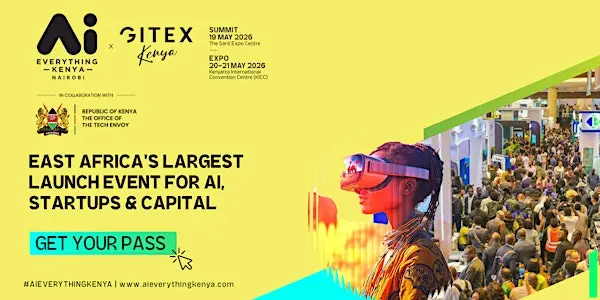
AI Everything Kenya x GITEX Kenya is a large-scale AI and innovation event focused on real-world AI adoption, startups, and enterprise AI transformation. (dev.events)
- Focus on applied AI (not just research)
- Insights into global AI adoption and infrastructure
- Useful for teams building production AI systems and services
👉 Best for: AI practitioners, startups, product-focused engineers
The Principal Dev – Masterclass for Tech Leads
📅 May 28–29, 2026
📍 Online
The Principal Dev is a hands-on masterclass focused on architecture, system design, and engineering leadership. (dev.events)
- Learn how to design and lead large-scale AI systems
- Focus on decision-making, trade-offs, and architecture
- Useful for scaling teams working with Scala + AI stacks
👉 Best for: senior engineers, tech leads, architects
Conclusion
Whether you’re diving deeper into functional programming theory, exploring the latest in AI tooling, or looking to improve how you design and scale backend systems, May’s lineup has something worth your attention.
Events like FLOPS 2026 highlight the theoretical foundations that continue to shape Scala, while conferences such as JCON Slovenia 2026 and The Principal Dev bring practical insights into building and leading modern systems.
If you’re working with Scala in 2026, chances are you’re also working with AI, distributed systems, or high-performance data pipelines, and these events reflect exactly that reality.
As always, Scalendar is here to help you stay ahead of the curve.